
- 31 août 2023
- Envoyé par : LA REDACTION
- Catégorie : International
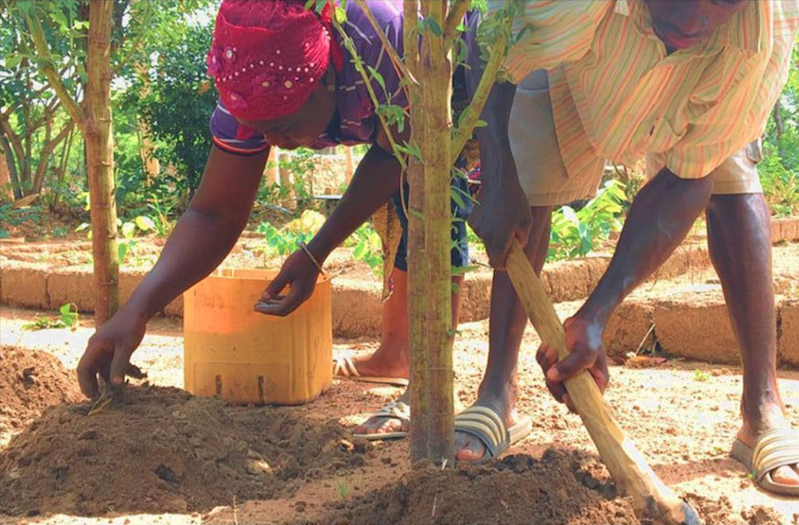
Tanzania’s youth population (defined as women and men between the ages of 15 and 35) constitutes about 35% of the country’s population.2 With changing global and regional trends that call for inclusive socio-economic development, youth have been identified as key drivers for economic transformation in many countries. Tanzania is no different. In Tanzania, youth engagement in agriculture is considered vital, given the fact that youth form the largest part of the population and labour force in the country.3 However, effective youth engagement in agriculture and youth economic empowerment is constrained by extreme poverty resulting from high unemployment rates; inadequate access to land; and limited youth participation in decision-making processes that affect their lives, including within the agriculture sector.
Prepared by Landesa
Youth Land Rights in Tanzania: Challenges, Opportunities and Policy Options
Tanzania’s youth population (defined as women and men between the ages of 15 and 35) constitutes about 35% of the country’s population.2 With changing global and regional trends that call for inclusive socio-economic development, youth have been identified as key drivers for economic transformation in many countries. Tanzania is no different. In Tanzania, youth engagement in agriculture is considered vital, given the fact that youth form the largest part of the population and labour force in the country.3 However, effective youth engagement in agriculture and youth economic empowerment is constrained by extreme poverty resulting from high unemployment rates; inadequate access to land; and limited youth participation in decision-making processes that affect their lives, including within the agriculture sector.4 Unleashing the potential of youth through more secure land rights is crucial for nation building and development anchored in agriculture. The agriculture sector is the main source of employment for youth: it employs more than three-quarters of youths in Tanzania5, contributing about 29% to the country’s GDP and producing more than 70% of the country’s food.6 Tanzania’s youth population has huge potential to support the country’s quest for agricultural transformation, accelerated industrialization and attainment of middle-income status in line with the country’s National Development Vision 2025. Young people with secure land rights could play a key role in the overall progress and growth of Tanzania’s economy.
For Tanzanian youth to fully engage in agriculture, improved access to productive resources is critical; access to land and security of tenure could be one of the strategies to enhance youth engagement in agriculture. Acknowledging the centrality of inclusive land access and tenure security in agricultural growth and productivity, Tanzania’s land policy and legal reforms developed in the 1990s contain provisions to ensure that land rights and tenure security are protected for different groups, enabling them to engage in agriculture. However, the legal frameworks give little attention to youth land rights. Rather, youth are regarded as impliedly protected as adults under the existing frameworks, which leaves out the unique needs youth have when it comes to land access. To fully integrate youth issues in the national land policy, a deliberate youth lens, one that acknowledges Tanzanian youth as a distinct population category with unique land rights needs and challenges, should be applied to ensure
that the complex institutional, legal, programmatic, individual, familial, and community barriers to youth access to land are addressed comprehensively.
Sources:
1 This policy brief summarizes the key findings from a broad youth land rights assessment conducted by Landesa Tanzania that examined the context of youth land rights in Tanzania, challenges, and recommend policy actions for the government to ensure increased youth access to land in Tanzania.
2 National Bureau of Statistics & Office of Chief Government Statistician: Basic Demographic and Socio-Economic Profile Report Tanzania Mainland, April, 2014
3 The Integrated Labour Force Survey of 2014
4 According to the NBS, two thirds Tanzania population is rural based and depend on agriculture for its livelihoods.
5 https://www.cimmyt.org/news/are-high-land-rental-costs-pricing-african-youth-out-of-agriculture/
6 The National Strategy for Youth Involvement in Agriculture 2016-2021
Key obstacles to youth land rights in Tanzania
Despite the potential that youth present for helping to transform the country’s economy to a semi-industrialized state through participation in the agriculture sector, as is well laid down in national plans and priorities, youth face several challenges that prevent them from accessing land and contributing to agriculture sector growth. Ensuring significant youth engagement in agriculture and other land-based livelihoods has been a challenge. The main factors inhibiting youth access to land and effective engagement in agriculture and other land-based economic opportunities include:
i. Youth reliance on inheritance: most rural youth in Tanzania gain access to land through inheritance, as in other parts of sub-Saharan Africa. Inheritance is normally governed by customary norms and practices that discriminate against youth especially girls who face discrimination and are placed at the third tier of inheritance.
ii. Unfavorable land tenure systems and customary practices: the existing land governance systems do not specifically recognize youth land rights. Without explicit attention to youth issues in the land laws, youth may continue to be marginalized in land-related decision making and in governance bodies that allocate land. In the absence of specific pro-youth provisions in land policies and laws, customary practices often take precedence over formal laws and, currently, these customary rules tend to limit youth access to, use, control, and ownership of land.
iii. Limited access to finance to buy or rent land: the majority of Tanzanian youth lack capital and are unable to access finance in local banks and credit institutions due to restrictive lending conditions such as high interest rates and collateral requirements. Youth may not have formal employment, may not have a credit history, and are regarded as a risky group to offer credit, hence many youth do not qualify for loans that are often needed to purchase or rent land.
iv. Underdeveloped land market: commoditization of land has led to expansion of both informal and formal markets due to increase in demand for productive/arable land. However, the current land market is not well developed. Processes to purchase rights to land are complex, time consuming, and costly which limit potential buyers and transactions and, in other cases, encourages informal transactions. Reducing some regulatory complexities could, potentially, help youth access land.
v. Limited youth engagement in land related decision making and policy making processes from the village to the national level: cultural practices that see youth as “unexperienced” and less wise or well-informed compared with elders limits youth participation in land-related decision making. In addition, youth may lack information and technical skills related to land use and land markets. Both limitations hinder youth’s effective.
Please, Read more via the attached Document below.