- 10 septembre 2025
- Envoyé par : Godwin TADOUDJE
- Catégorie : All others African Countries, BLOG, International, Publications, Youth Climate Action, YOUTH EXCHANGE PROGRAM
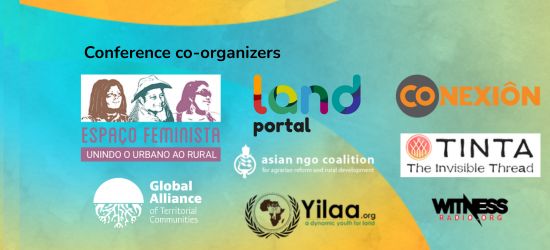
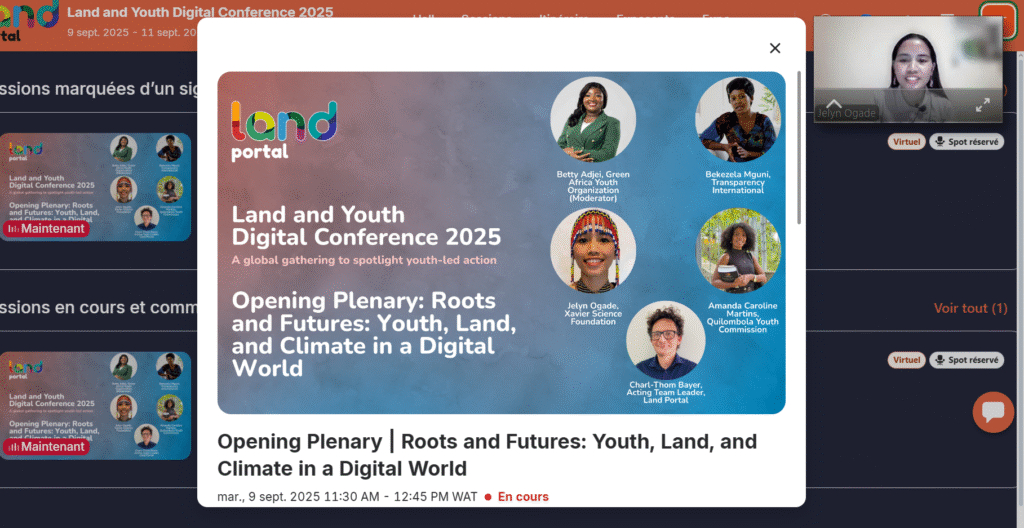
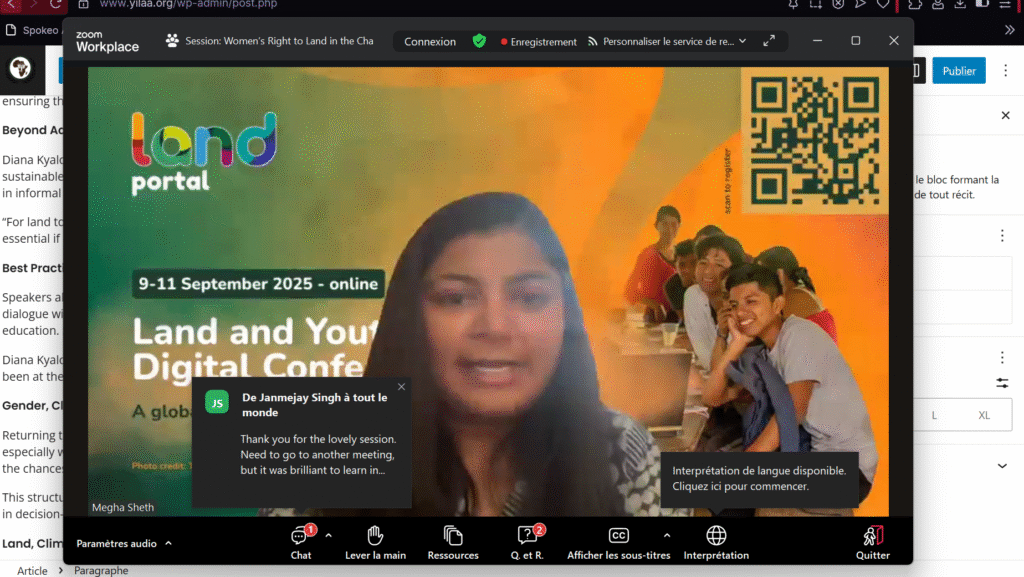
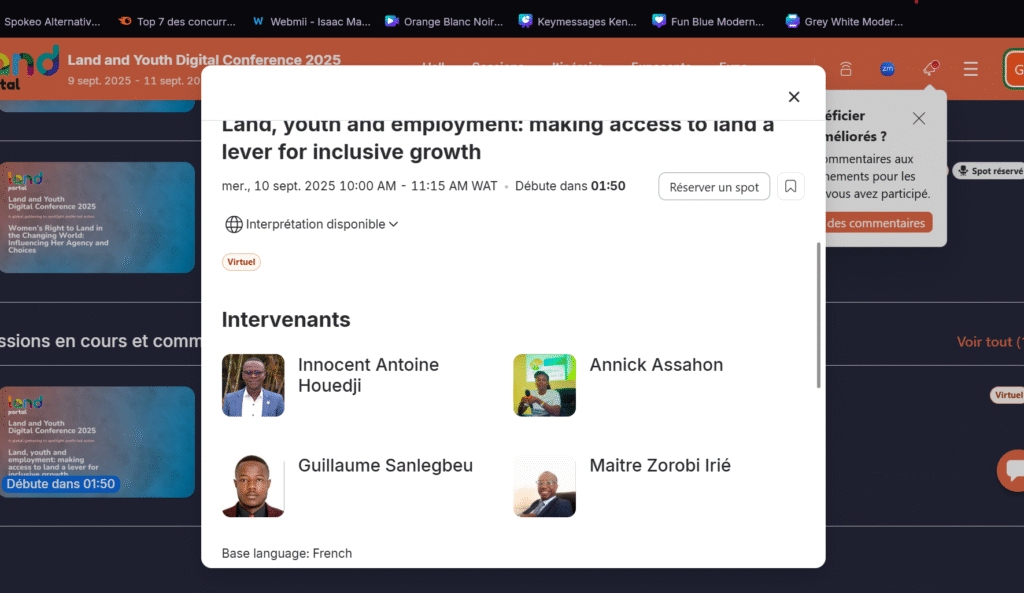
From 9 to 11 September 2025, the Land Portal Foundation, in partnership with global youth organizations including Youth Initiative for Land in Africa (YILAA), convened the Land & Youth Digital Conference the largest online gathering ever organized by the Land Portal.
This three-day event brought together youth leaders, Indigenous voices, policymakers, researchers, and global partners from Africa, Asia, Latin America, Europe, and North America, all with one common goal: to place youth priorities at the center of land governance and climate action in the lead-up to COP30.

Youth, Land, and Climate Justice: Voices of a New Generation
Across regions and contexts, young leaders are raising their voices to call for fairness, recognition, and inclusion in land governance. At a recent dialogue, speakers from Brazil, Africa, and global organizations shared heartfelt reflections on identity, inequality, climate resilience, and the urgent need for systemic change. Their testimonies show that land is not only about ownership but also about memory, dignity, and the foundation for a sustainable future.
Land as Identity and Memory
Amanda Caroline Martins reminded participants that for youth, identity is rooted in a direct connection with territory. “Since childhood, the land has taught us collectivity, respect, care, and resistance,” she said. For her, land carries memory, voice, and ancestral continuity. Without it, people lose their history.
In Brazil, traditional culture is ecological, literary, and ancestral, Amanda explained. Despite a world that constantly tries to disconnect people from their roots, the land offers reconnection and healing. “Our relationship with the territory is both historical and affective it is where our ancestors rest, where our stories come from. Traditional knowledge passed from one generation to another is the thread that keeps us standing.”
Indigenous Youth at the Frontlines
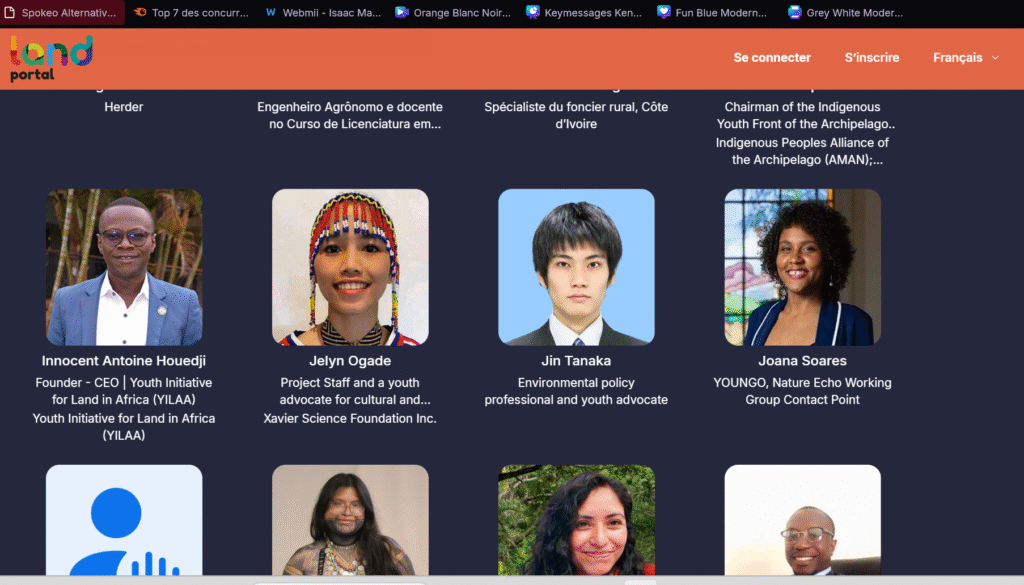
Jelyn Ogade highlighted the marginalization of Indigenous youth in accessing knowledge and land rights. “The silence imposed on us erodes traditional knowledge and weakens our confidence to fight for our rights,” she said. Despite facing threats, financial barriers, and intergenerational tensions, Indigenous youth continue to stand firm as land defenders. For Jelyn, defending the land is inseparable from defending life itself both for today and for generations to come.
Corruption and Exclusion in Land Governance
Bekezela Mguni of Transparency International shed light on how corruption undermines youth and women in land processes. Bribery and informal payments lock out those without resources, while elites accumulate multiple parcels of land. Information on land policies is often inaccessible, reinforcing exclusion.
“Transparency must prioritize accessible communication and embrace technology,” Bekezela argued, calling for e-governance to reduce manipulation. She also denounced patriarchal inheritance systems that sideline young women, sometimes even pushing them into exploitative situations. “Defending transparency in land governance is about more than fighting corruption it is about creating fairness and ensuring that young people and women are no longer left behind.”
Beyond Access: The Missing Support Systems
Diana Kyalo of Land Portal emphasized that access to land is not enough. Many young people inherit small plots but cannot turn them into sustainable livelihoods without markets, technologies, and supportive policies. This gap pushes youth toward cities, where they often end up in informal settlements, struggling to maintain small enterprises without legal recognition.
“For land to be meaningful, it must be matched with supportive systems,” she said. Inclusive policies, recognition, and structured support are essential if land is to serve as a foundation for dignity and stability.
Best Practices and Youth-Led Solutions
Speakers also shared examples of youth leadership and unity-building. Jelyn Ogade spoke of Indigenous youth fostering cultural exchange and dialogue with governments. Amanda described community projects bridging generations, combining ancestral knowledge with digital education. She insisted that youth do not want tokenistic inclusion but meaningful roles in shaping solutions: “Nothing about us without us.”
Diana Kyalo stressed collaboration with civil society and Indigenous organizations, reminding participants that Indigenous peoples have long been at the forefront of climate action. Policies, she argued, should be informed by lived realities, not imposed from the top down.
Gender, Class, and Intersectionality
Returning to the theme of inequality, Bekezela Mguni illustrated how class privilege, patriarchy, and corruption intersect to deny young people especially women fair access to land. “If my parents are married, it is clear my brother will inherit land,” she noted, “but for me, as a woman, the chances are very low.”
“If my parents are married, it is clear my brother will inherit land,” she noted, “but for me, as a woman, the chances are very low.”
This structural discrimination, she argued, highlights the need for stronger policies to enforce gender equality, equity, and youth participation in decision-making spaces.
Land, Climate, and Innovation
Speakers also explored the nexus between land and climate change. Jelyn Ogade stressed that securing land tenure and preserving traditional knowledge empowers youth to lead nature-based climate solutions. Amanda Martins added that youth must be actors not victims of climate action.
Diana Kyalo called for innovation, urging young people to combine critical knowledge with practical opportunities such as sustainable agriculture or climate financing. “The more knowledge we gain, the better prepared we are to seize opportunities and contribute meaningfully to climate goals,” she said.
Strategies for Inclusion
In the Q&A session, Bekezela Mguni highlighted the importance of knowledge, digital access, and leadership opportunities to involve youth in land governance. Education, transparency, and e-governance are key to equipping young people to resist corruption and claim their rights.
Other panelists stressed the need for collaboration in agriculture, conservation, and eco-entrepreneurship demonstrating that youth can play vital roles not only as land users but also as protectors of biodiversity and ecosystems.
Conclusion
The voices of Amanda, Jelyn, Bekezela, Diana, and others converge on a single truth: youth are not merely stakeholders in land governance, they are agents of transformation. By combining ancestral wisdom, digital tools, activism, and innovation, they are showing that land is not just about property it is about identity, justice, sustainability, and the collective future of humanity.
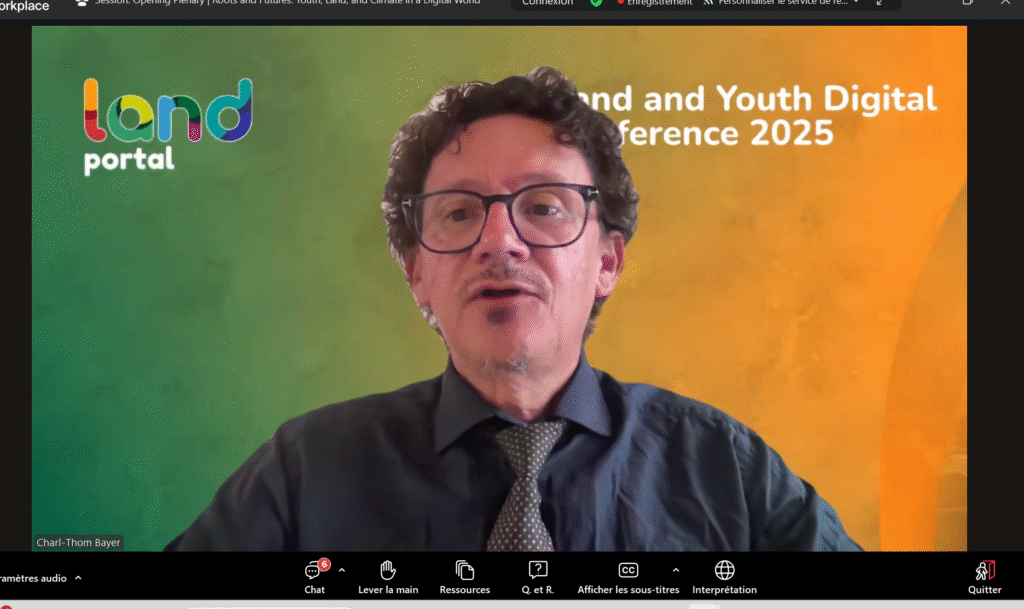
Advice from Charl-Thom Bayer, Acting team leader, Land Portal
“One of the most valuable things you can learn at university is not only the content of your studies, but the skill of learning itself how to approach problems, acquire knowledge, and adapt.
For graduates, especially in the Global South where opportunities may be limited, my advice is to apply the skills you’ve gained to real needs in your community. Don’t start an organization simply to ‘be active’; start one because you’ve identified a genuine need that matches your expertise.
Take time to understand your community, talk to colleagues, friends, and neighbors, and check whether other organizations are already working on those issues. Find the gaps, learn from existing models, and build from there.
To be innovative, you must think critically: write down your observations, define the problem, and challenge your assumptions. Ask yourself: Who will benefit? Who will support or pay for this service? How can the initiative be sustainable?
In the end, success comes from being well-prepared, understanding the problem deeply, and finding a meaningful way to contribute to real solutions.”