- 9 décembre 2022
- Envoyé par : LA REDACTION
- Catégorie : BLOG, International, Kenya
Summary
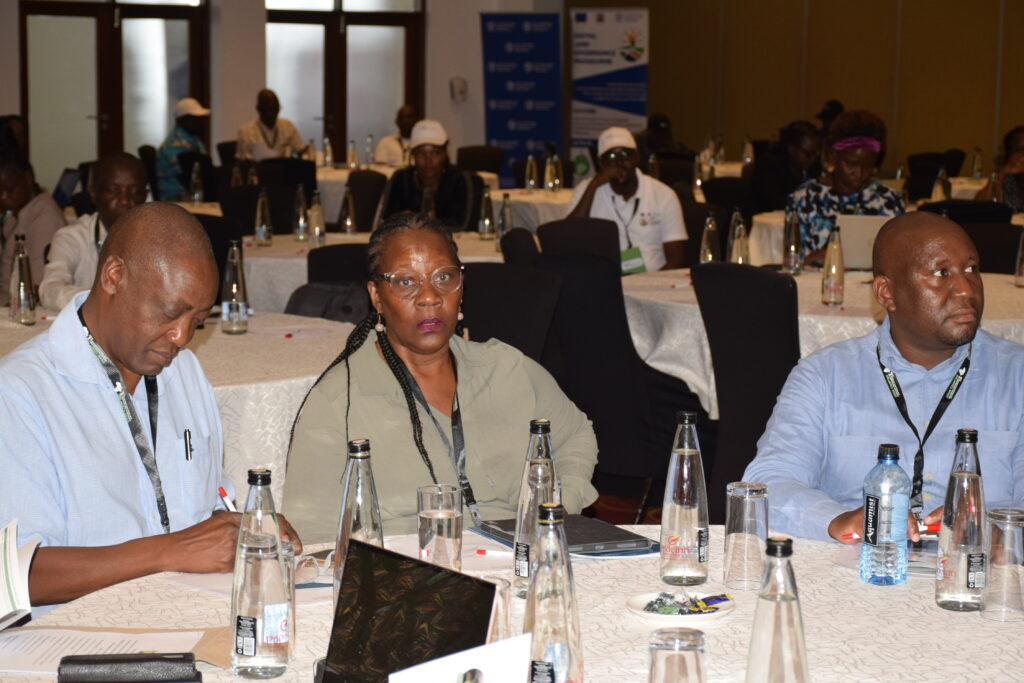
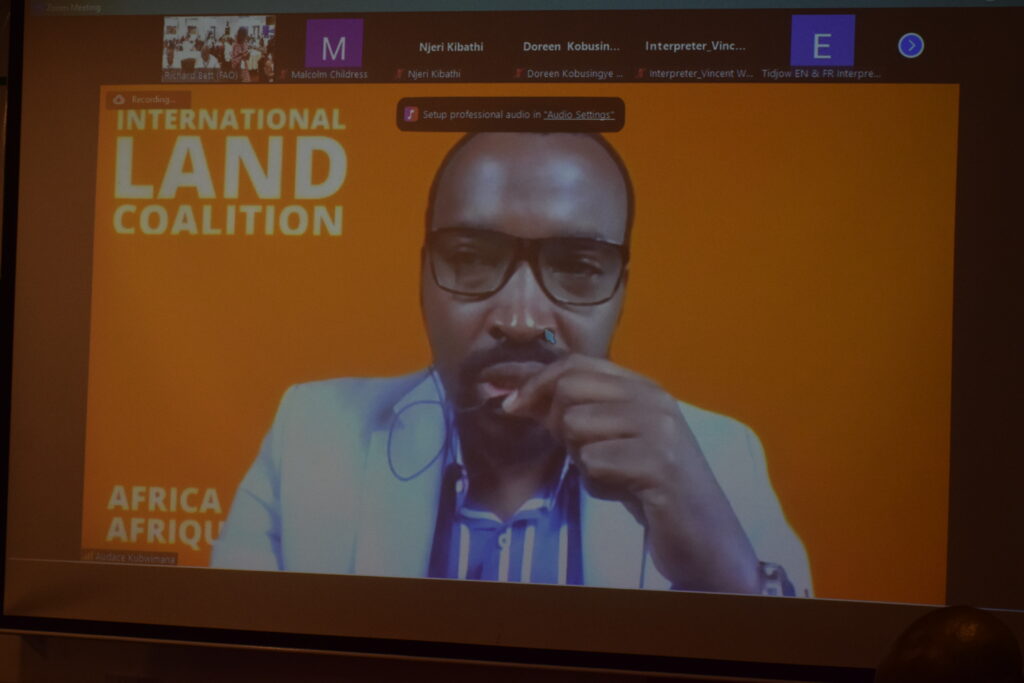
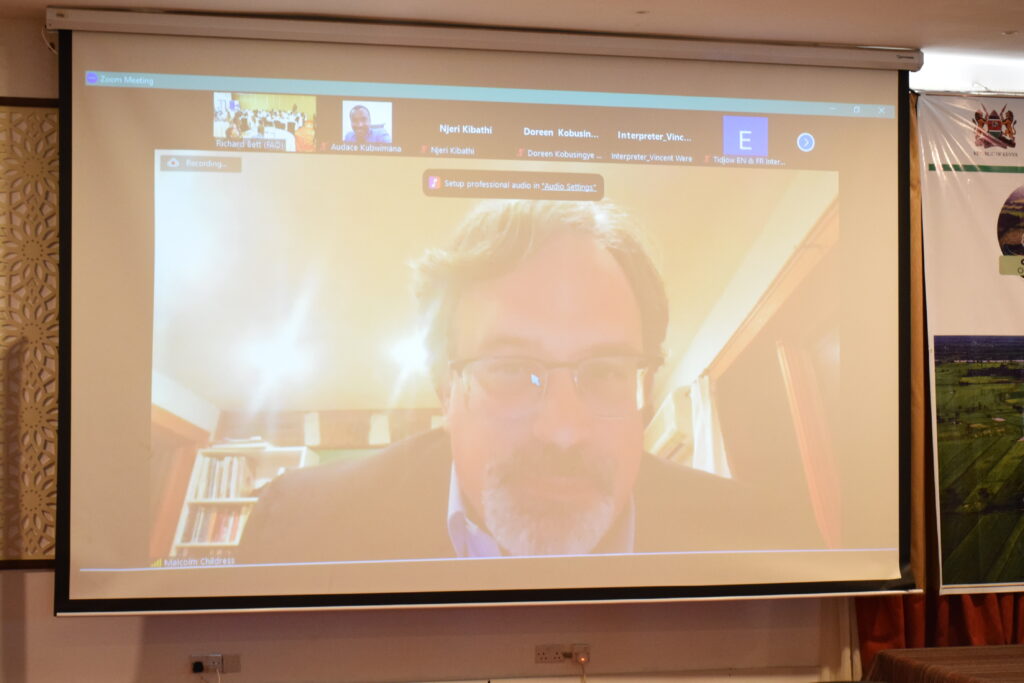
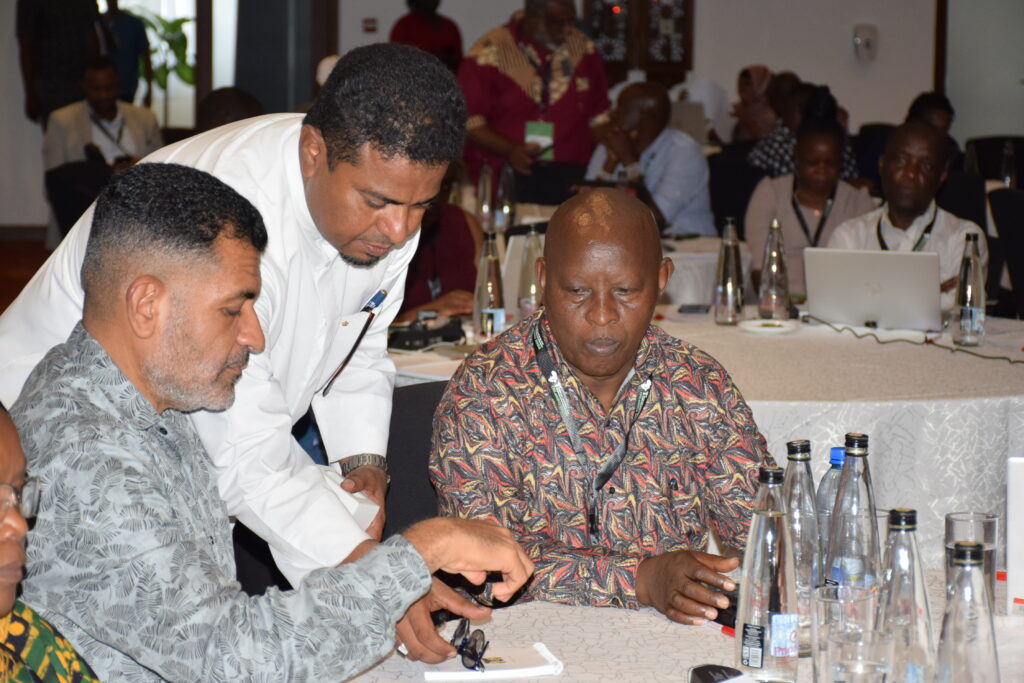
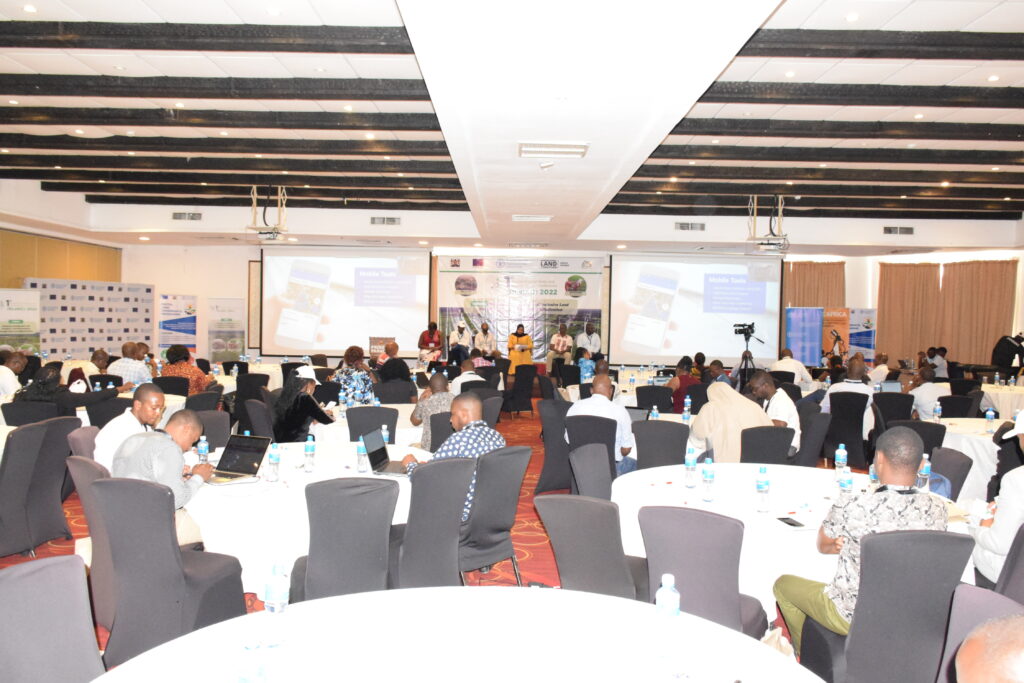
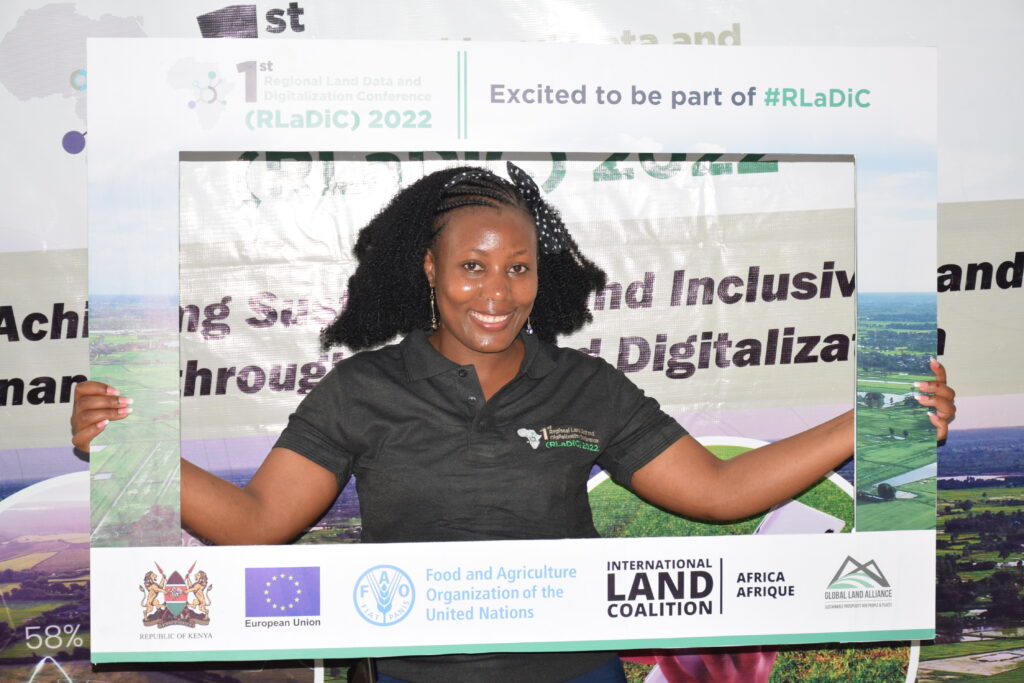
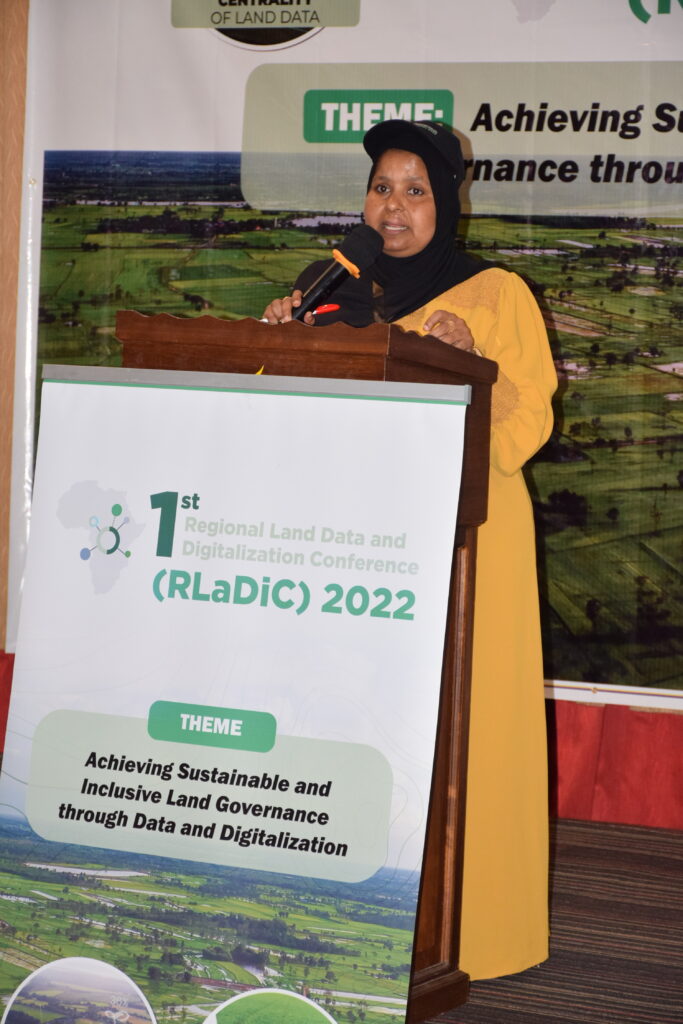
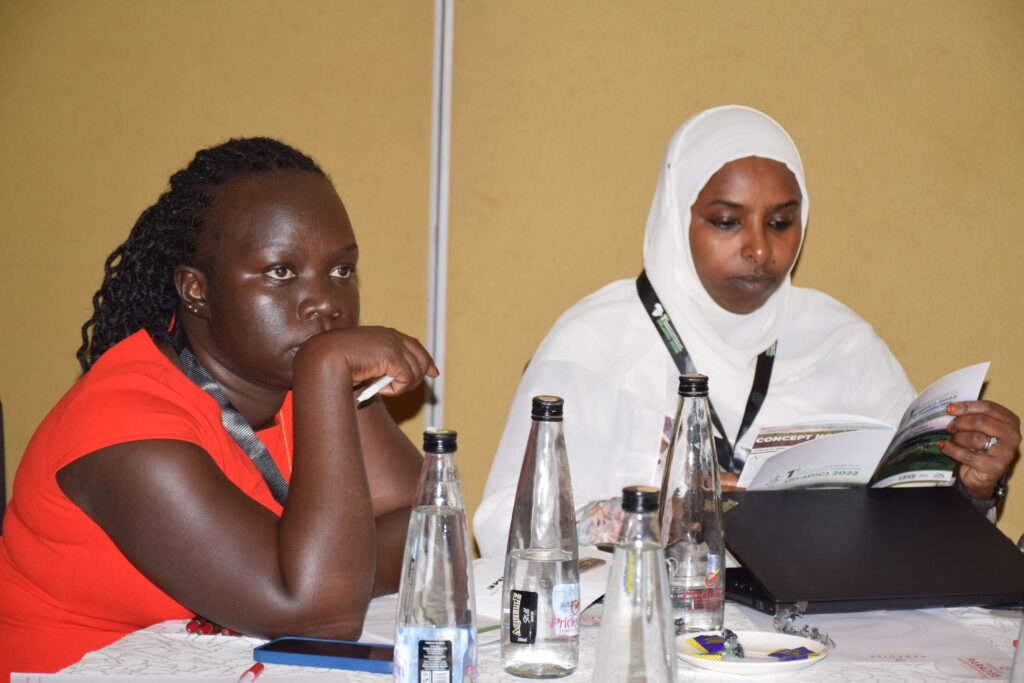
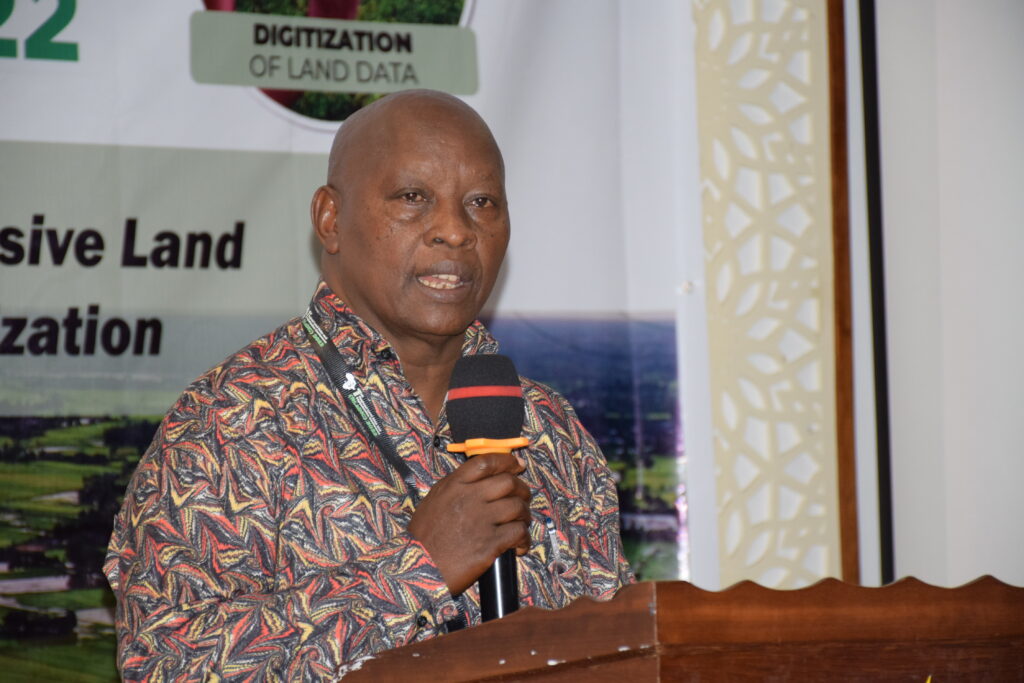
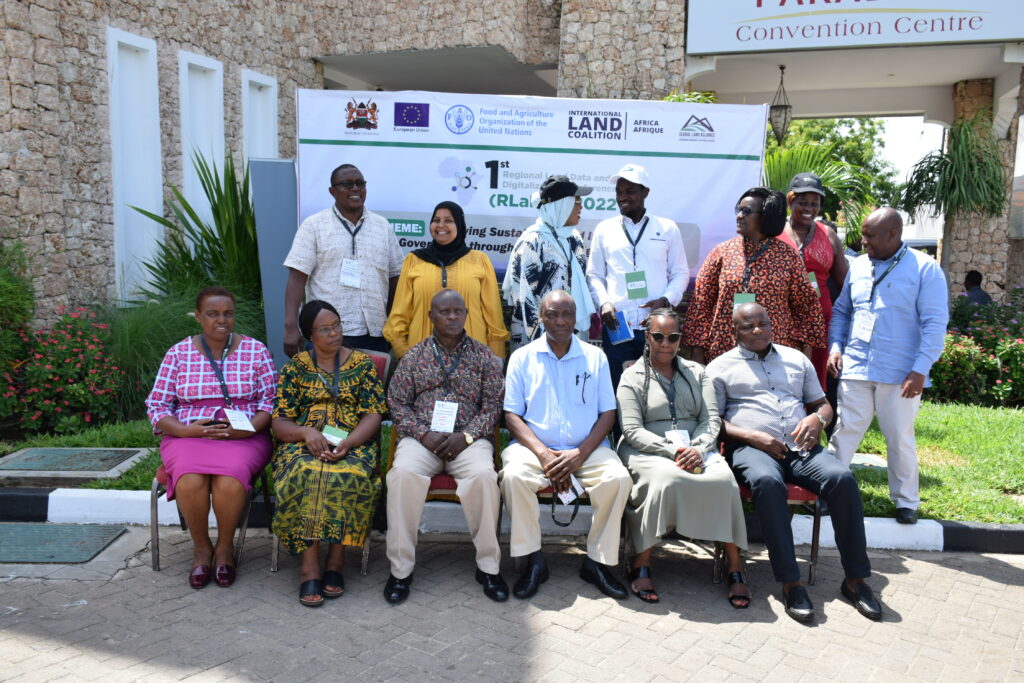
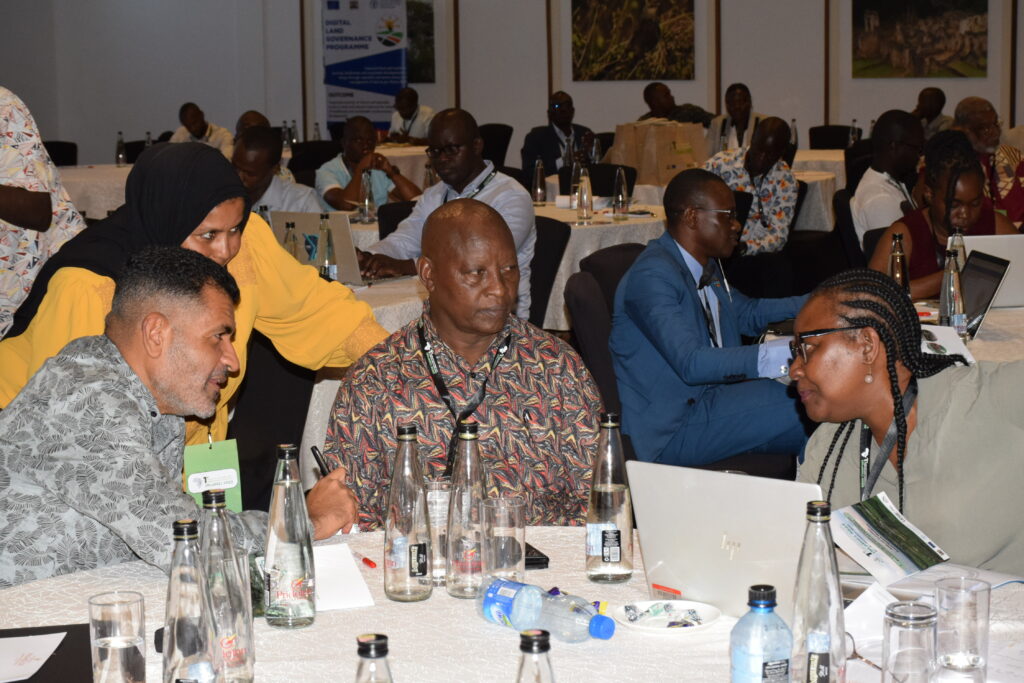
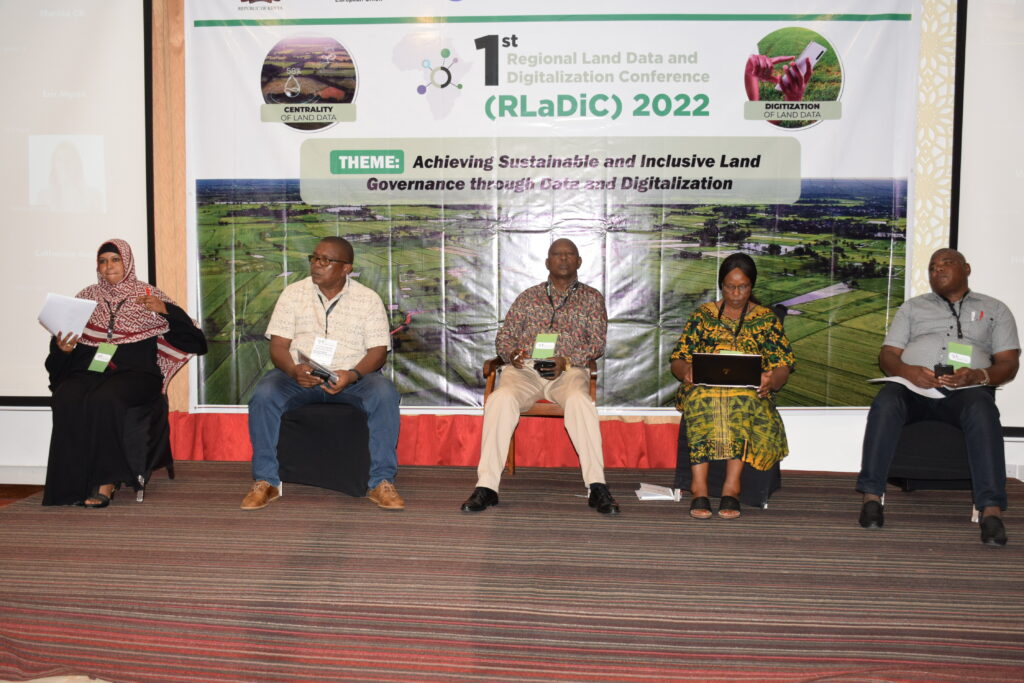
This conference brought together practitioners from all over Africa under the theme of ‘Achieving Sustainable and Inclusive Land Governance through Data and Digitization. The conference presented an opportunity to discuss trends, challenges, and emerging themes in digitization of land as well as the use of various information systems for land management.
The three-day conference culminated in a joint resolution and was endorsed by delegates representing Governments, Civil Societies, IGO, NGOs, Development Partners et al as a joint commitment of the workshop attendants.
The joint resolutions provided, a clarion call for the allocation of adequate resources to enable the setting up of Land Information Management Systems (LIMS) through effective partnerships by multi stakeholders; it equally echoed the significance of democratization of data to ease access.
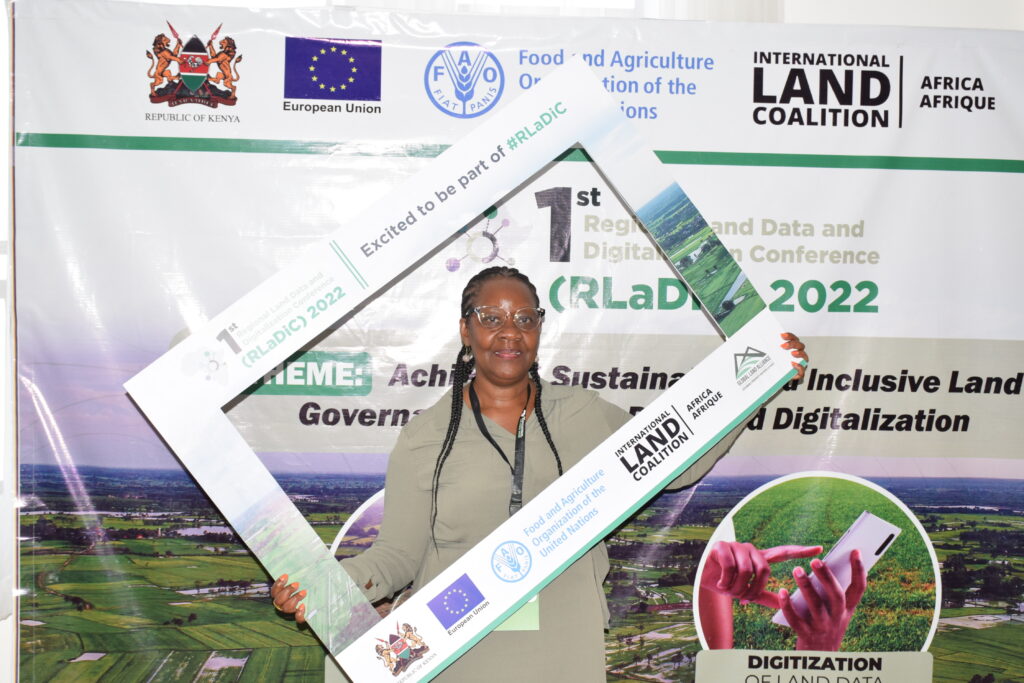
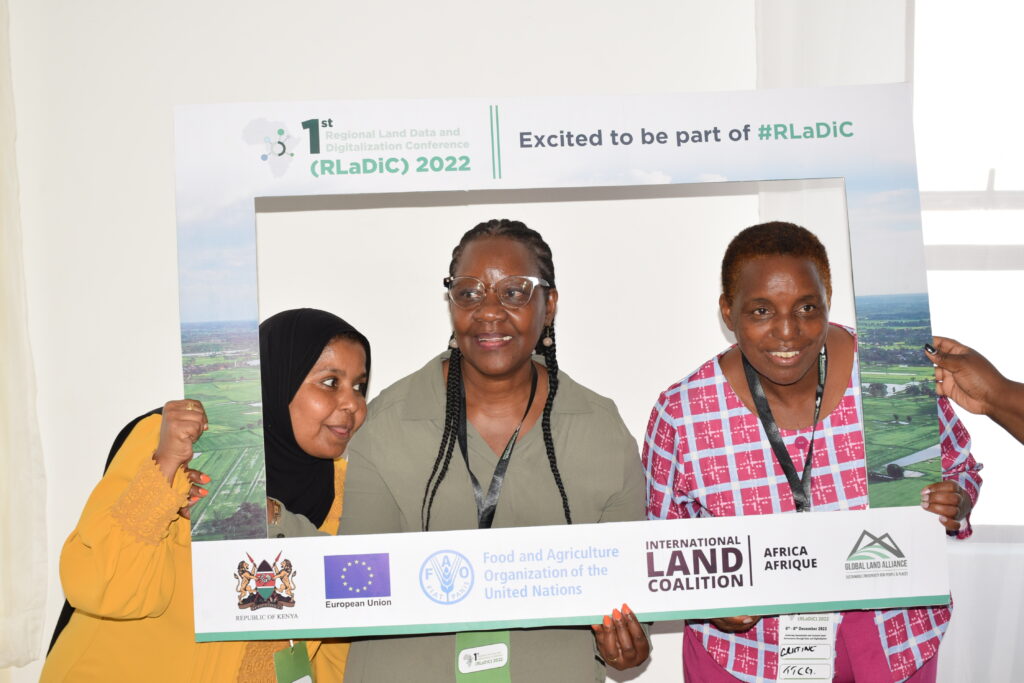
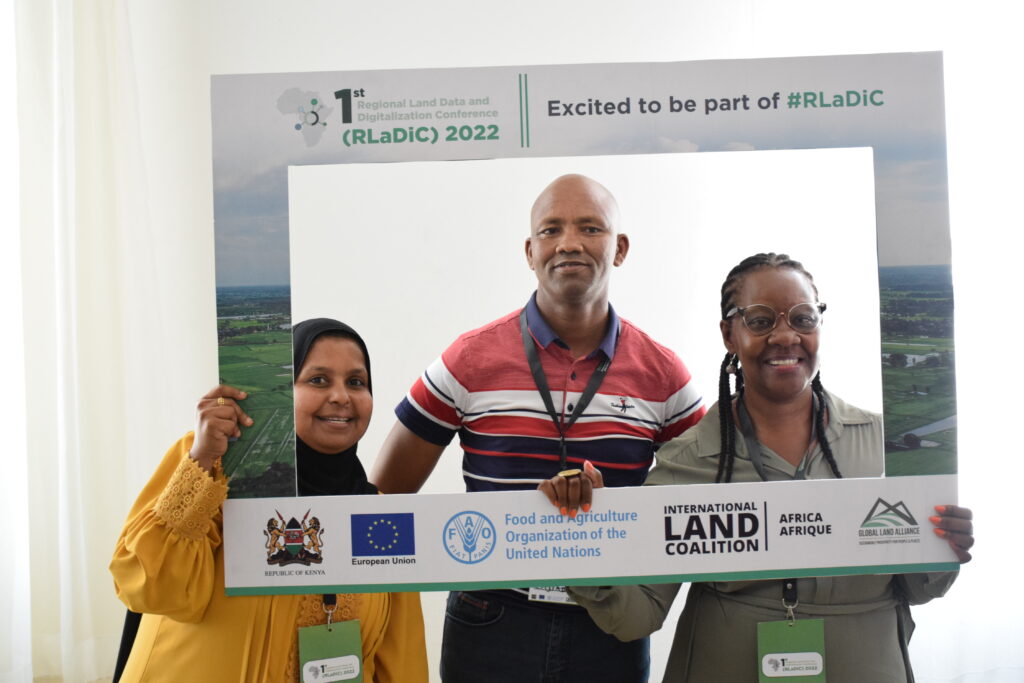
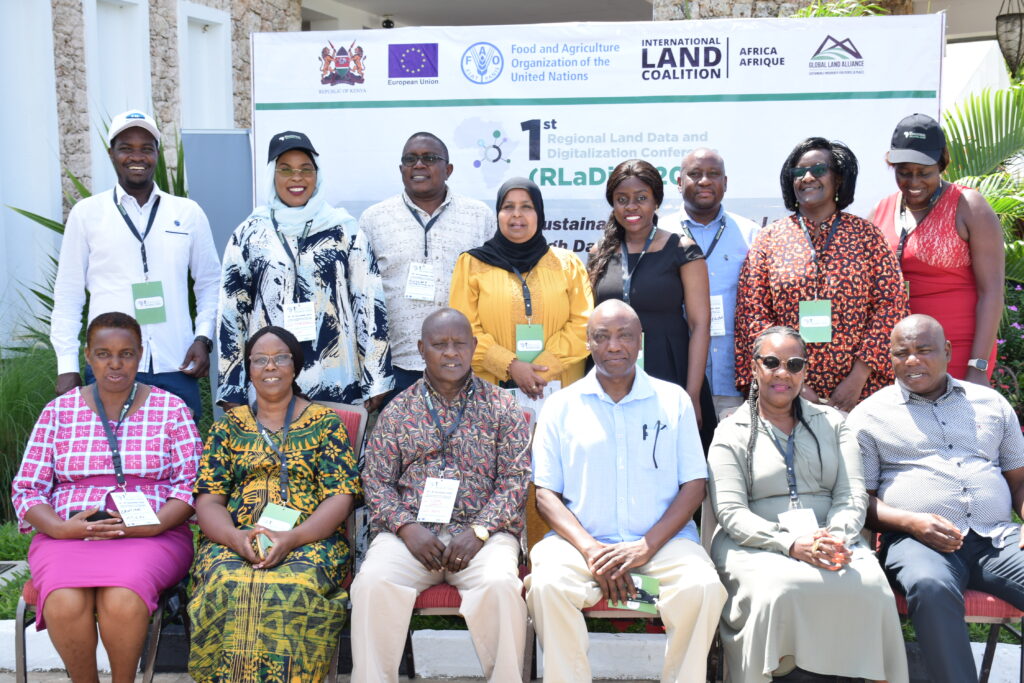
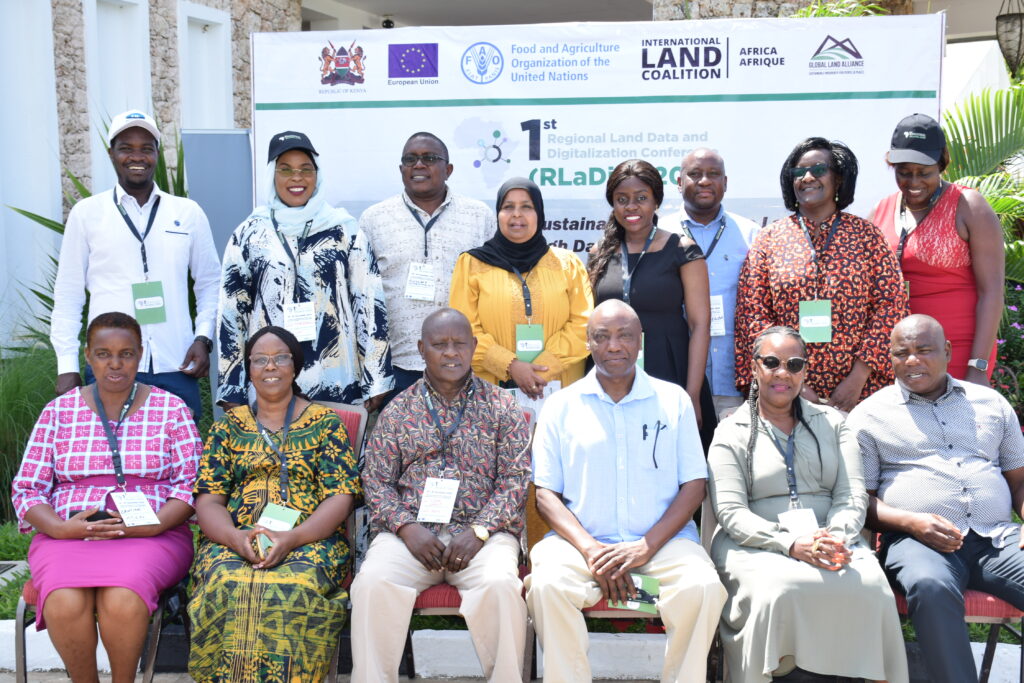
The Food and Agriculture Organization of the United Nations (FAO), International Land Coalition (ILC) and Global Land Alliance (GLA), in partnership with the Government of Kenya (through the Ministry of Lands, Public Works, Housing & Urban Development ,Council of Governors and the National Land Commission), jointly organized the first Regional Land Data and Digitalization Conference (RLaDiC).
The overall objective of the RLaDiC was to provide an opportunity for stakeholders to share experiences and good practices on data and digitalization in the land sector. Out of this conference, it was anticipated that the delegates will have ample space to interact and interrogate the progress countries have made in the land data and digitalization. Further to this it was a chance to present current research on the issues, with a focus on best practices and emerging ways of working – to improve delivery of services and programs in the land sector through digitization and digitalization.
Thematic areas and objectives
The conference’s deliberations were anticipated to be guided by under two broad thematic areas namely:
- The centrality of land data as an enabler for sustainable governance of land and natural resources; and
- Digitization of land and natural resources records, processes and documentation.
objectives
The specific objectives of the 2022 Regional Land Data and Digitalization Conference were to:
- Share good experiences in land data collection, analysis, storage, management,
- dissemination and use;
- Create an understanding on emerging digital technologies that can be leveraged
- to enhance land governance;
- Promote greater transparency and access to information about land ownership,
- land use, and land development planning; and
- Develop a roadmap for coordination and collaboration in land data processing and
- digitalization.
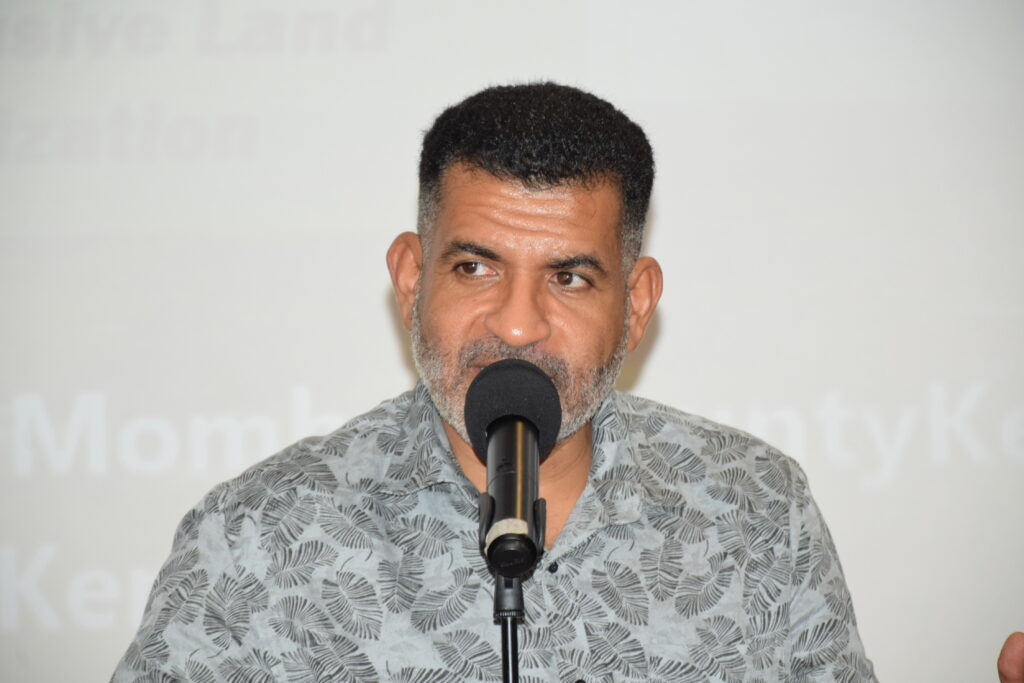
Presentation of YILAA Data Collection solution : Data4Youth Land Access
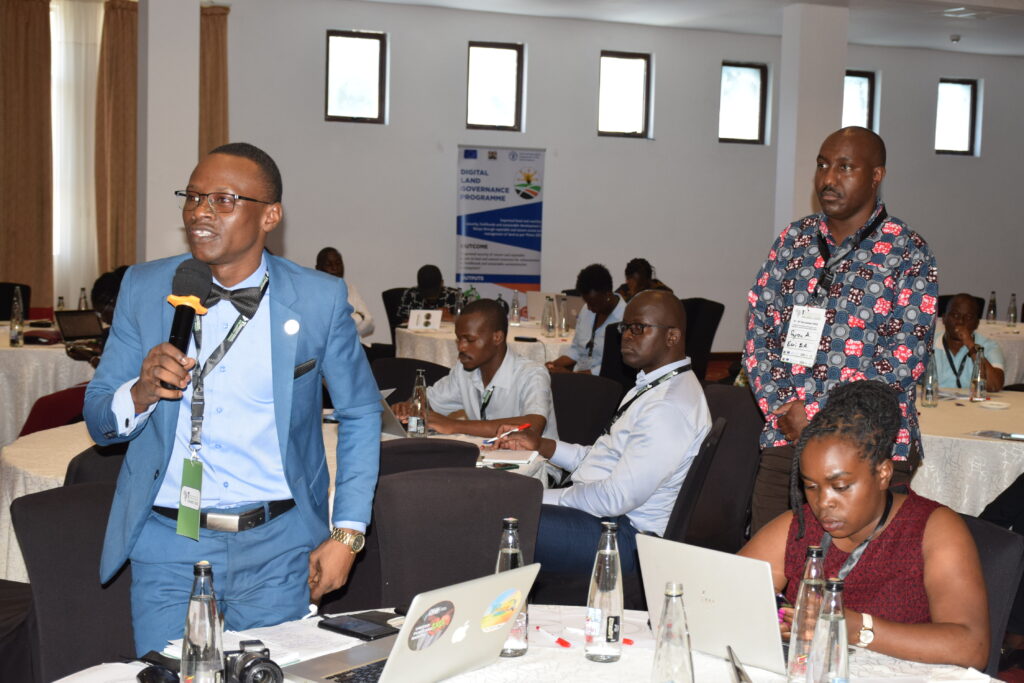
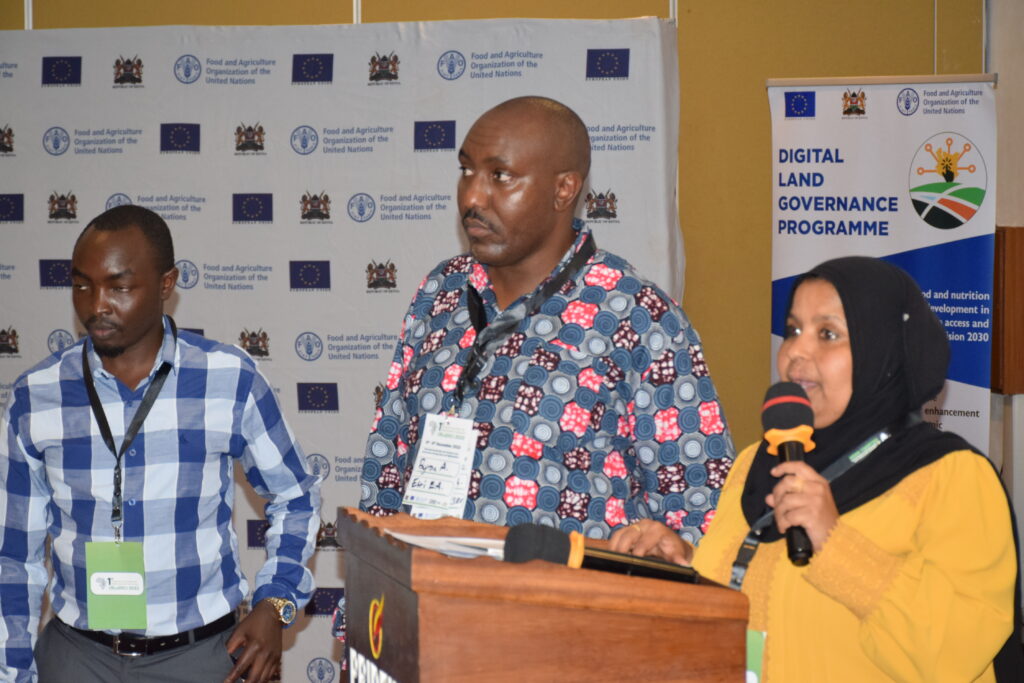
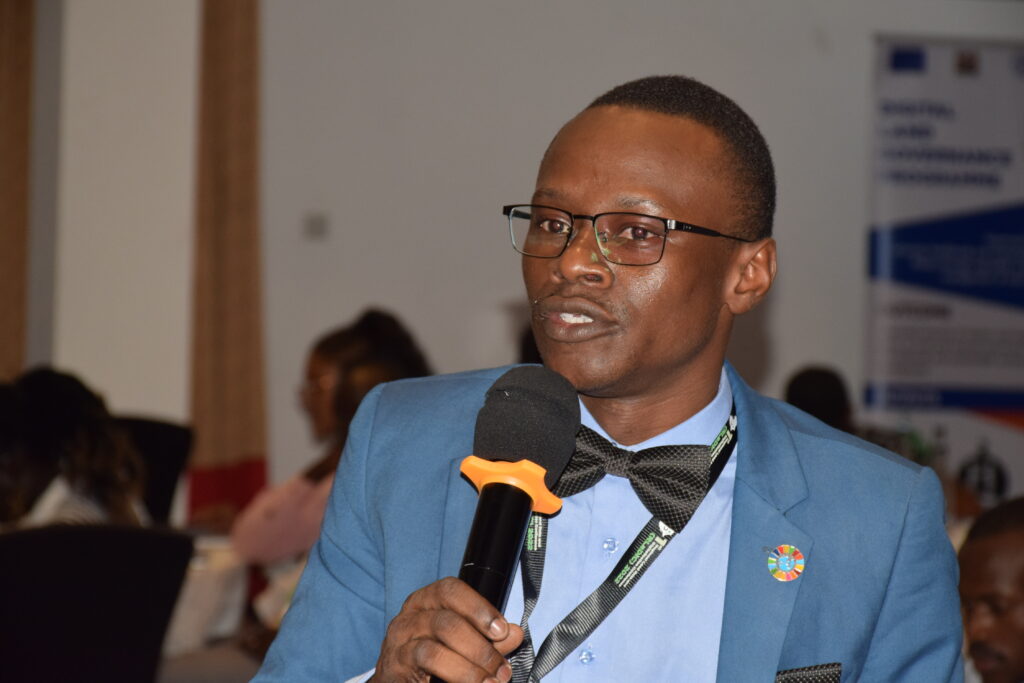
Our Land Data program has been presented with the support of Global Land Alliance by the Executive Directeur of YILAA, Innocent Antoine HOUEDJI during this Conference from 06 to 08 December 2022 in Kenya (Mombasa).
A solution that will make sensitive land data available to youth to fill the land information gap. This information will contribute to good decision making for youth and women.
Some outcomes of this data collection solution will be:
- a study of barriers that youth face when accessing secure land rights;
- Data will be able to be used by the Governments and others multi-stakeholders;
- Data will be used by donors;
- Availability of disaggregated data by age, gender, socio-economic status, family status, urban/rural location and language across Africa;
- Publish the report: Publication of this report will facilitate communication and awareness raising that will strengthen the political knowledge and capacities of those working in the youth and land governance spheres, both within Benin’s governments and universities, and among international donors. This research hopes to spark an even broader and more collaborative research agenda on these issues in partnership with other leading organizations.
- etc
A presentation highly appreciated by the participants confirms the importance of such a project whose fundraising must be taken seriously and must start immediately for the happiness of Africa.
KEY RECOMMENDATIONS
- Adequate resources are provided to facilitate mapping of land to provide complete, up to date, accurate and verifiable land data for setting up Land Information Management Systems (LIMS) through the use of a range of methodologies including innovative and inclusive methods of data capture that facilitate seamless and continuous datasets.
- A committee will be formed with the representation from global institutions, Africa specific institutions, national and sub national governments, United Nations (UN), Intergovernmental Organizations (IGOs), academia, Non-Governmental Organizations (NGOs), Civil Society Organizations (CSOs) and community representatives to seek synergy, and spearhead development of a roadmap and its implementation.
- Enhance the promotion, adoption and application of digital technologies for land management in Africa, backed up by affordable and reliable internet for end users.
- Effective partnerships, engagements and coordination between stakeholders is strengthened to draw synergy in support of land data digitization initiatives including capacity building.
- Land data and digitization is democratized to ease access, use and storage in line with various international and local best practices.
- Governments to consider the review & harmonization, and where necessary enactment of enabling policies, legal and institutional frameworks that promote land data digitization and digitalization to ensure transparency, accountability and ease of service delivery.
- Governments & other land sector stakeholders play their roles in protecting the fundamental pillars of democratic society, rule of law, and ensuring security of tenure including access and use rights: a need for oversight, accountability and responsibility.
- Ensure adequate budget allocation for digitalization exercise, including allocating money for the maintenance of the developed systems.
- Ensure regular implementation, monitoring, evaluation and assessment of land information management systems with multi-stakeholder participation, especially in the initial stages of the development of the systems.
- Build the land information management systems using open interoperable standards while ensuring continuous updates based on user feedback and the need to integrate with other systems.
- Strengthen the continuous inclusion and participation of youth, women, persons with disability (PWD), displaced persons, indigenous communities and other vulnerable and marginalized groups in land governance processes, access, use and control of land and natural resources.
- Encourage the recognition and promotion of Alternative Justice Systems (AJS) when resolving data and digitization related disputes and conflicts.
- Governments guarantee reliability and protection of digital land information systems from unauthorized access, manipulation, censorship, and loss. Explore innovative approaches like block chain technology for system security and reliability.
Conclusion
To Follow up this recommendations implementation, a Working committee has been created and Youth Initiative for Land in Africa (YILAA) is one of the members, representing the youth land network. Congratulations to YILAA team and organizers for this great work and consideration.
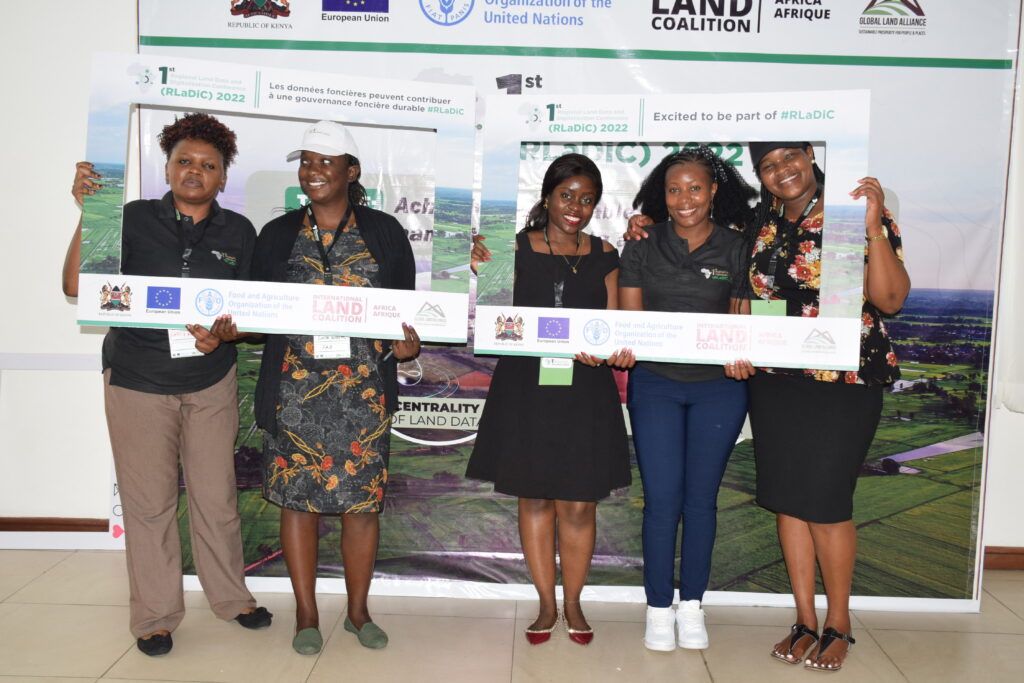
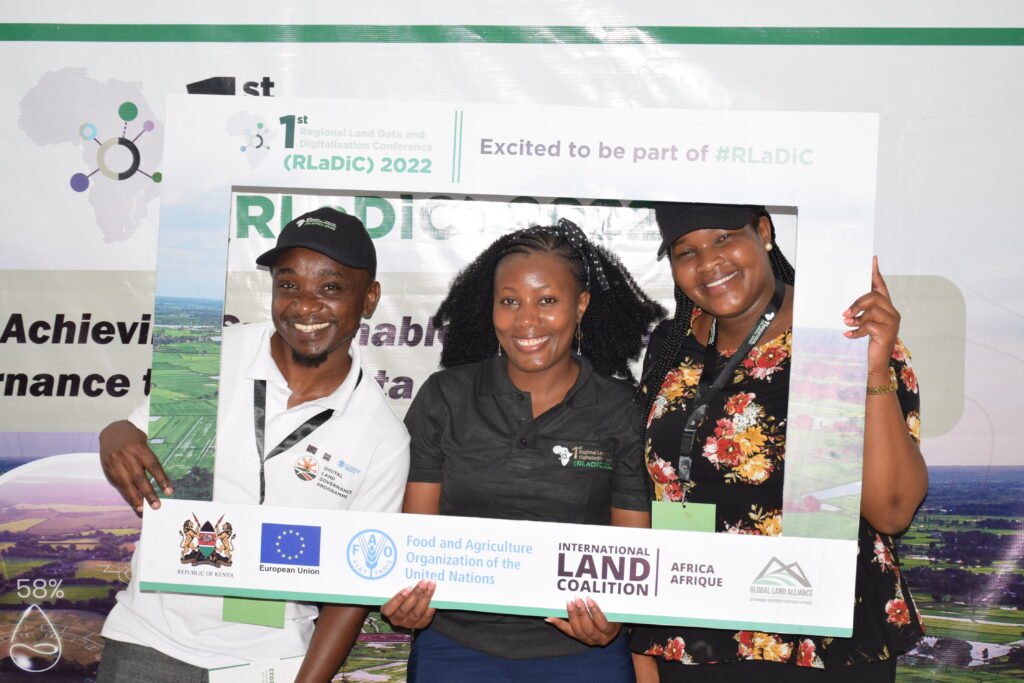
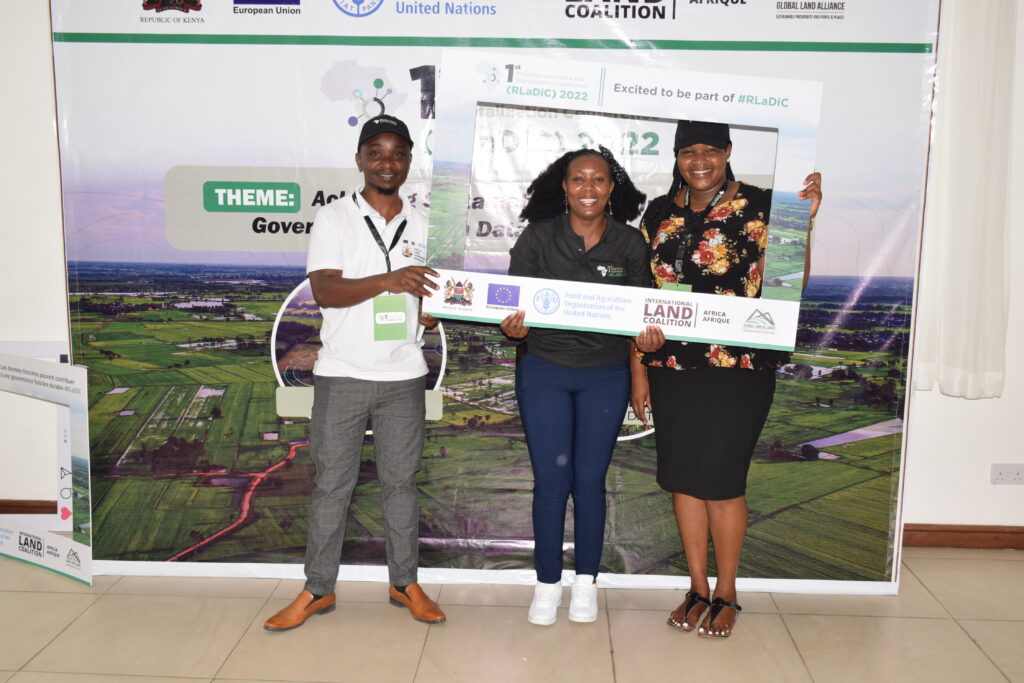
Somes pictures