- 6 mai 2020
- Envoyé par : LA REDACTION
- Catégorie : BLOG, International, Publications
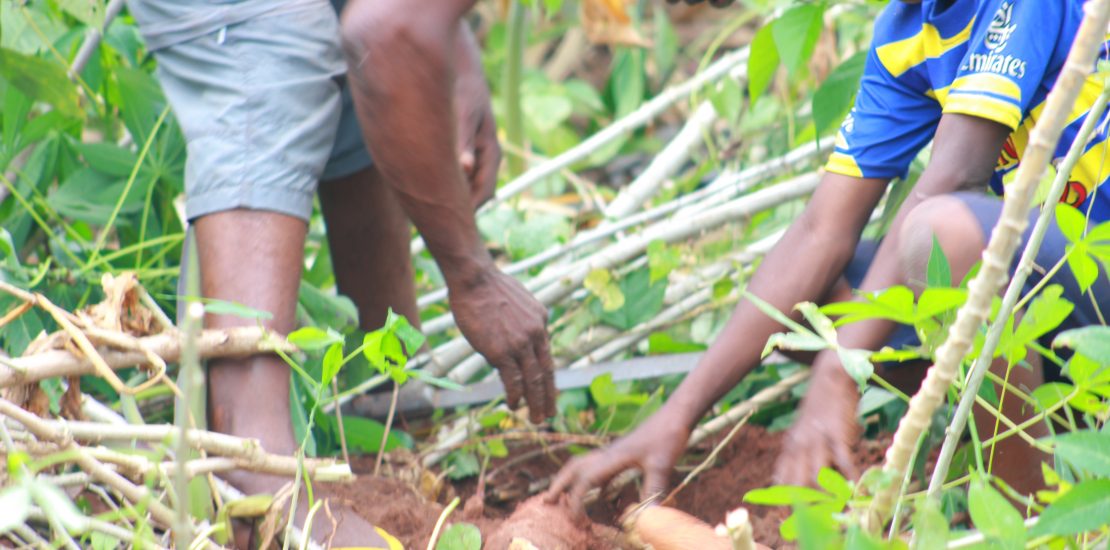
Land – an asset to provide for the needs of rural youth and women in the context of the ongoing COVID-19 pandemic.
Written by Innocent Antoine HOUEDJI, Land Expert,
Coordinator of the Youth Initiative for Land in Africa (Yilaa)
Published on Tuesday, April 14, 2020
As long as there’s work to be done, the work will continue. Bearing this in mind, African States keep working to get fully conversant with the land market parameters. However, the current COVID-19 pandemic proves to be a hindrance, especially 80% in rural areas.
By lack financial means to cope with the lockdown, rural populations who mainly make a living on farming, use the opportunity to sell off their land asset below the market average prices. They often do so because of asymmetric information, which is prejudicial for new buyers vying for cheap land acquisition. Both the buyers and sellers do take huge risks of litigation and loss of resources in relation with the land market likely to negatively affect the agricultural economy once the pandemic is over. African States must therefore take responsibility.
Some figures on the COVID-19 in Africa:
On March 17, 2020, the WHO Regional Office for Africa in Brazzaville (Congo) declared that 27 countries have been affected by the Covid-19 pandemic and more than 300 people are infected with it. Within a week however, these statistics doubled1.
Dr Matshidiso Moeti, WHO Regional Director for Africa, urged African countries to change their approaches for curbing the spread of the Coronavirus, now that the disease has been officially declared a global pandemic. ” The cases may still be low in Africa and we can keep them up with solid government action to fight the novel coronavirus, ” she said.
The global health institution further warned African countries to wake up. At that moment, 27 countries were affected, but today, things seem to be increasingly getting out of control of African governments, who failed to take stock of the situation very early. 1
Impact of the COVID-19 on Rural Land tenure: Land Sell-off :


Youth represent more than 70% of the African population, according to figures from the special report of The World’s Youngest Populations 2. 40% of those affected are youth, which leads to overall psychosis among young people and women in urban areas, and raises a great risk among rural youth and women, mainly illiterate, who hardly know the ways and means for preventing and containing the Covid-19 pandemic.
Yet, farm production in Africa mobilises over 80% of the rural youth and women.
The Covid-19 thus compels this rural workforce to shave down their level of activity for them to comply governments guidelines and advice.
This has resulted into:
– Displacement of boundaries and plot demarcations leading to disputes between individuals and local authorities;
| The rate of work provided by all women in agricultural activities |
– Default in mortgage redemption or delay in repayment of loans and pledges taken by this rural workforce to finance their farming activities, pushing credit institutions into a crisis;
– Land sell-off by families locked down, in a bid to have both ends meet.
In these days of lockdown due to the Covid-19 pandemic, rural areas are experiencing a real rush into land sell-off as a result of a crippled economic system. The agricultural markets are confronted with a gloomy climate or nearly shut down in a total chaos. Facing this challenge, and in order to meet their family needs, this poor population will just sell off their lands.
And unless African States tackle this issue right away, damages and land disputes likely to arise after the Covid-19 pandemic might be huge, while overburdening our courts and public land regulation institutions.
It is therefore critical to make provisions for securing land tracts falling under the State property and land parcels belonging to individuals. To this end, each African State must raise rural women and youth’s awareness of refraining from selling off their lands, which will serve for intensive farming projects to bridge the possible gap that would be generated by the lockdown imposed by the Covid-19 pandemic.
In short, the Covid-19 pandemic dramatically affects rural land in Africa and our countries must swiftly implement a contingency plan to address the situation.
What should States do?
– Implement an awareness-raising plan for populations to refrain from selling off their land at this time of lockdown due to the Covid-19 pandemic;
– Implement a plan to secure private and public land properties to prevent their being sold off by the populations;
– Implement a plan to reframe the land transaction costs during this pandemic period.
In this regard, the Youth Initiative for land in Africa (Yilaa) is willing to support States in this noble cause during Covid-19 pandemic, through
https://beninwebtv.com/2020/03/coronavirus-les-chiffres-senflent-de-plus-en-plus-en-afrique/ 1