- 2 octobre 2025
- Envoyé par : Godwin TADOUDJE
- Catégorie : All others African Countries, BLOG, International, Publications
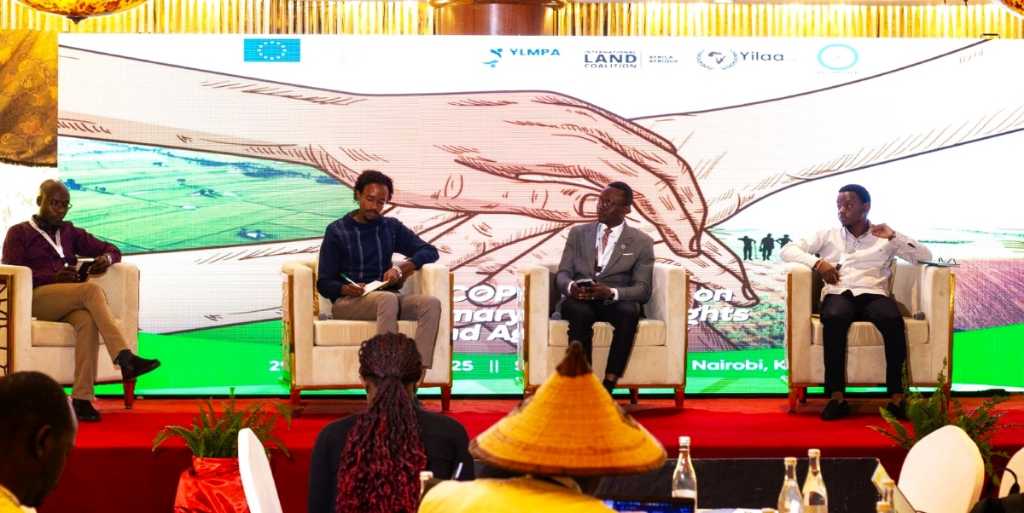
Youth, Land Rights and Agroecology: Highlights from the Post-COP Workshop, Nairobi
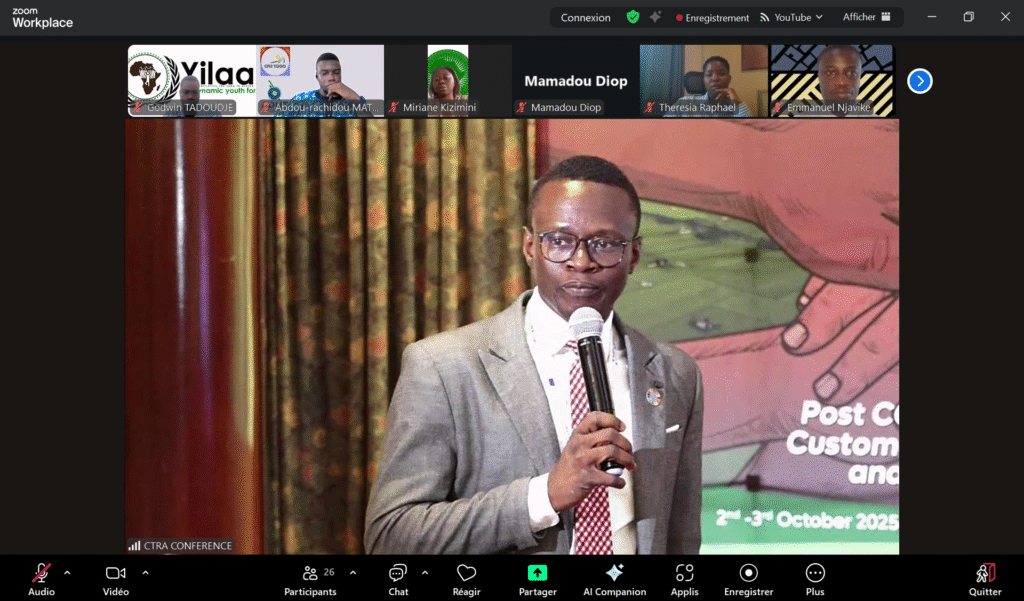
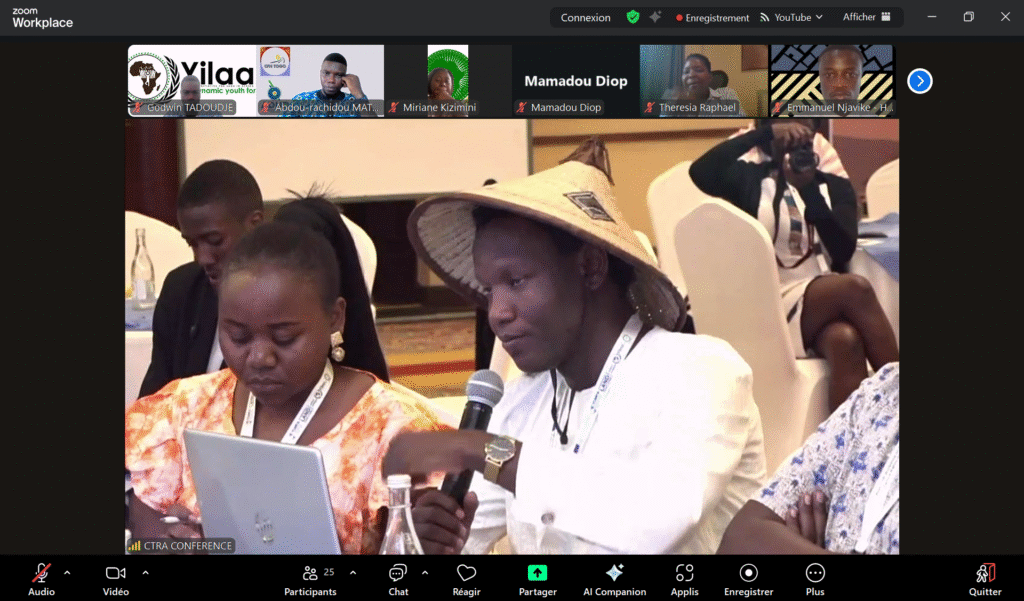
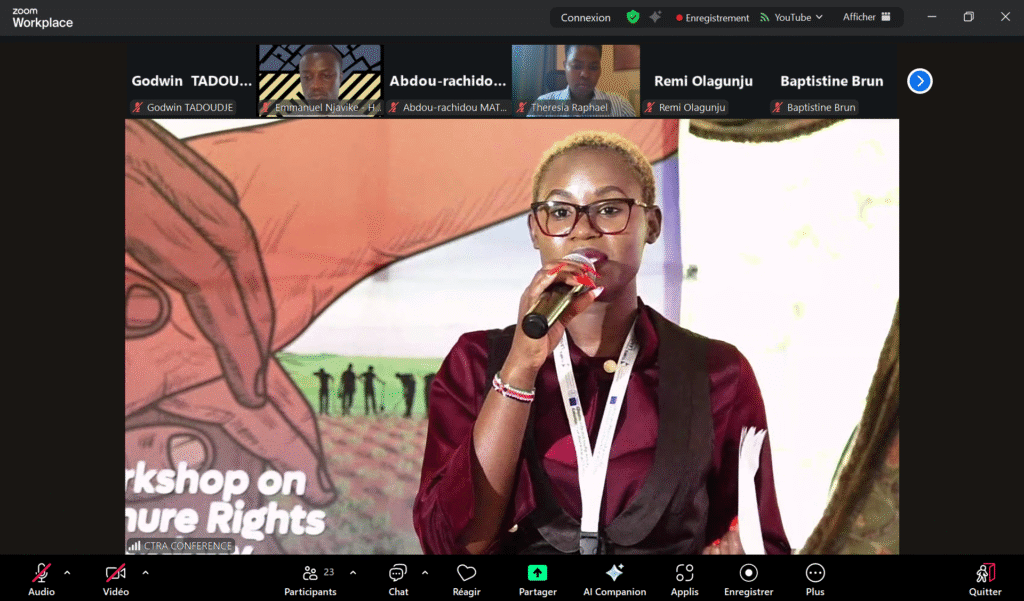
The Post-COP Workshop on Customary Tenure Rights and Agroecology, held in Nairobi, Kenya, brought together key stakeholders, government representatives, international organizations, and youth leaders to deliberate on how best to strengthen youth land rights and their impact on agroecology.
Over two days of intense exchanges, speakers shared insights on the challenges, opportunities, and pathways to ensure inclusive and people-centered land governance. Here are the key highlights from the interventions:
Mary Maneno – International Land Coalition (ILC)
Mary opened the discussion by addressing a central question: “What do people really want?” She emphasized that while the answers may differ based on upbringing, identity, and opportunities, one principle remains constant: people-centered land governance.
She stressed that inclusive governance ensures marginalized groups and youth have a voice in decisions that affect them. Linking land issues to climate change, she reminded participants that ecological crises disproportionately affect communities without secure land rights. Mary concluded by urging stakeholders to mobilize and equip young people, as Africa’s social and economic transformation can only be achieved with empowered youth at the center.
Ken Otieno – Reconcile
Ken contextualized the conversation within the COVID-19 pandemic, noting its economic disruptions for farmers, pastoralists, and communities. He identified three key levers to strengthen youth in Africa:
- Community,
- Social capital,
- Innovation and technology.
He insisted that youth need not only opportunities but also the right tools and timely representation in international negotiations. Too often, African youth arrive late in decision-making spaces, weakening their impact. Ken called for a unified, well-prepared, and competitive youth agenda, particularly in global climate and land dialogues.
Evans Kriputo – Council of Governors, Kenya
Speaking on behalf of the Council of Governors, Evans expressed the government’s gratitude to partners for supporting youth-focused initiatives. He reaffirmed the Council’s commitment to implement resolutions from the workshop, noting that effective policies on customary tenure and land governance require both government leadership and youth participation.
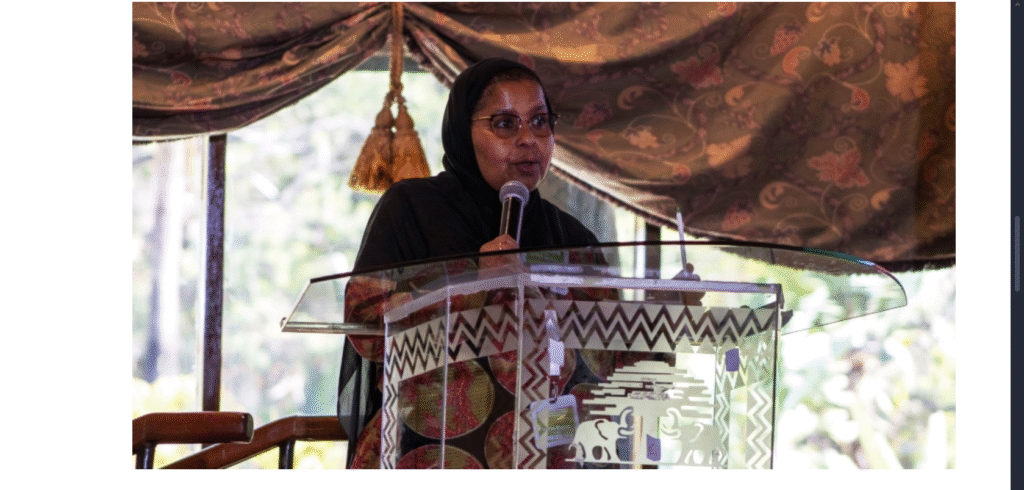
FAO – Husna Mbarak
Representing the FAO, Husna stressed the value of practice informed policies. She highlighted agroecology, pastoralism, and family farming as critical pathways to sustainable land use. She also emphasized FAO’s work on Voluntary Guidelines for Land Governance, which advocate inclusion, transparency, and participation.
Husna underlined the need to integrate youth and women in decision-making and land access, while reminding participants that policy frameworks must be rooted in the lived experiences and practices of communities. She officially declared the workshop open, encouraging participants to engage actively and translate discussions into actionable outcomes.
Technical Presentation on Agroecology
The technical session raised a profound question: “Who really owns the land?” The speaker reminded that land is not inherited from ancestors but rather borrowed from future generations.
He outlined challenges such as land degradation, shrinking access to water, urbanization pressures, and unsustainable chemical use. Agroecology, he argued, is not a new concept but a return to traditional, resilient farming systems practiced for generations. These methods emphasizing biodiversity, sustainability, and climate resilience must be revitalized to secure the future of African agriculture and food systems.
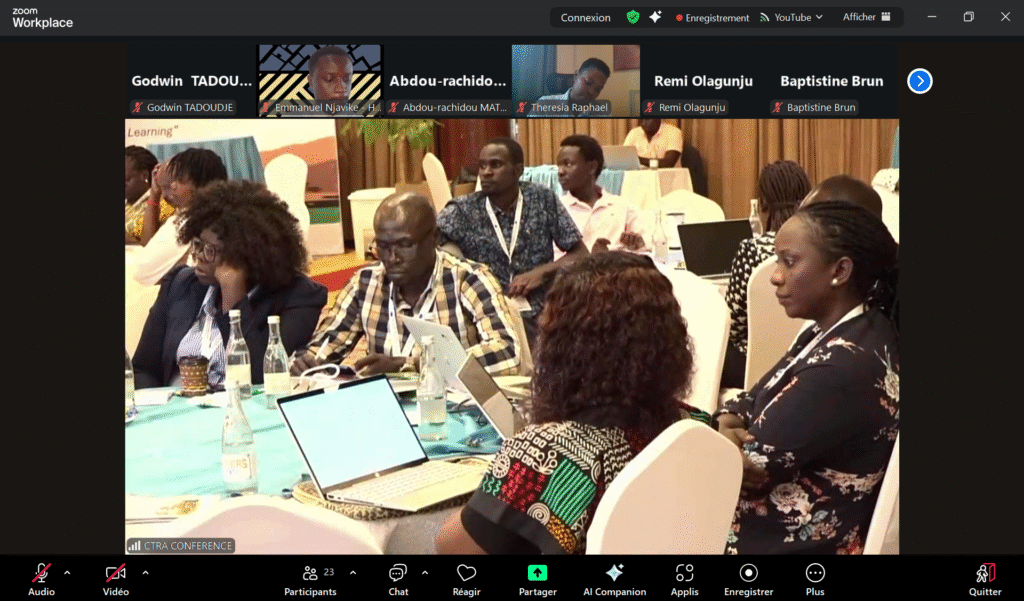
Group Discussions – Customary Land Tenure & Agroecology
Participants in breakout sessions underlined several priorities:
- Inclusion of youth and women in reforms, policy leadership, and community land management.
- Gender-responsive budgeting and meaningful public participation.
- Better documentation and data collection on customary land practices to preserve knowledge and guide reforms.
- Research and academia: tapping into undergraduate and institutional research to inform policies and innovations.
- Curriculum integration of agroecology and land governance to ensure sustainability knowledge reaches future generations.
- Preparing youth case studies and Indigenous knowledge contributions for the International Year of Rangelands and Pastoralists (2026).
Conclusion
The workshop underscored a shared vision: sustainable land governance must be inclusive, youth-driven, and ecologically grounded. From government commitments to grassroots knowledge, the message was clear: the future of Africa’s land and food systems depends on empowering its youth with the tools, opportunities, and voice to lead.