- 20 novembre 2025
- Envoyé par : Godwin TADOUDJE
- Catégorie : Africa Land Forum, All others African Countries, BLOG, International, Publications
CLPA 2025: Shaping the Future of Land Governance, Justice, Reparations and Youth Leadership in Africa
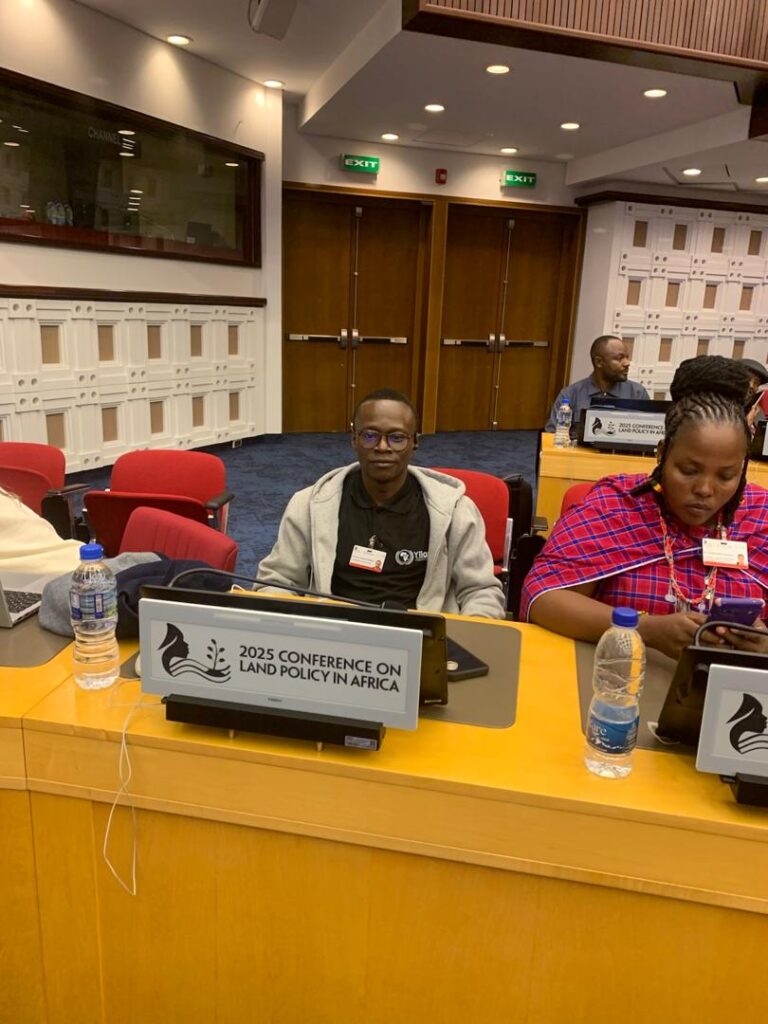
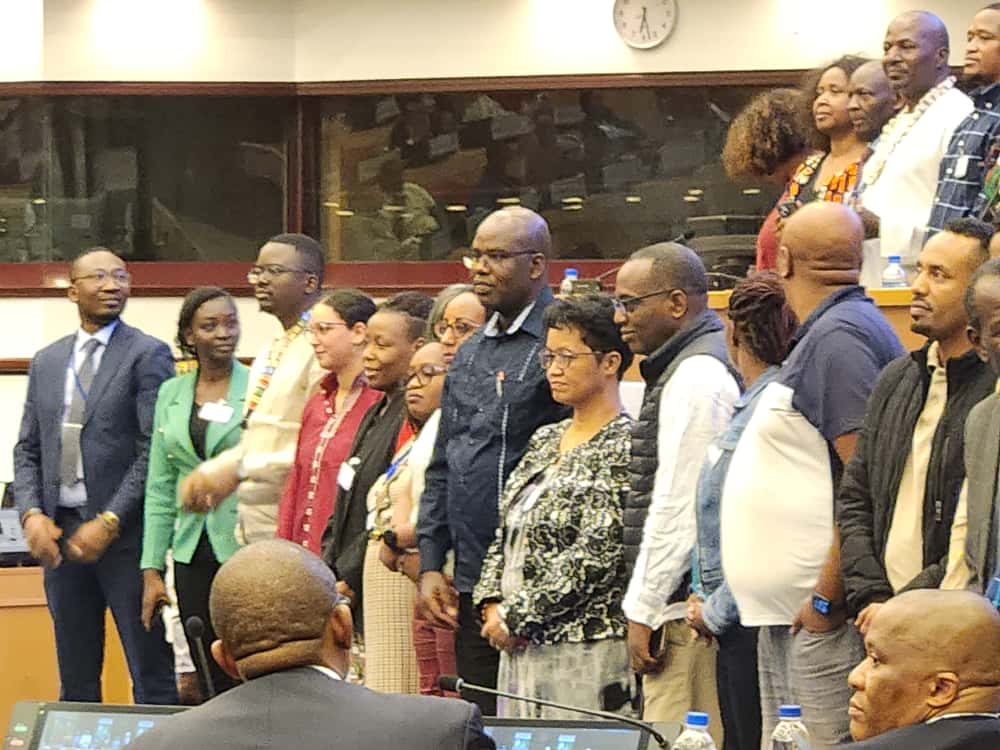
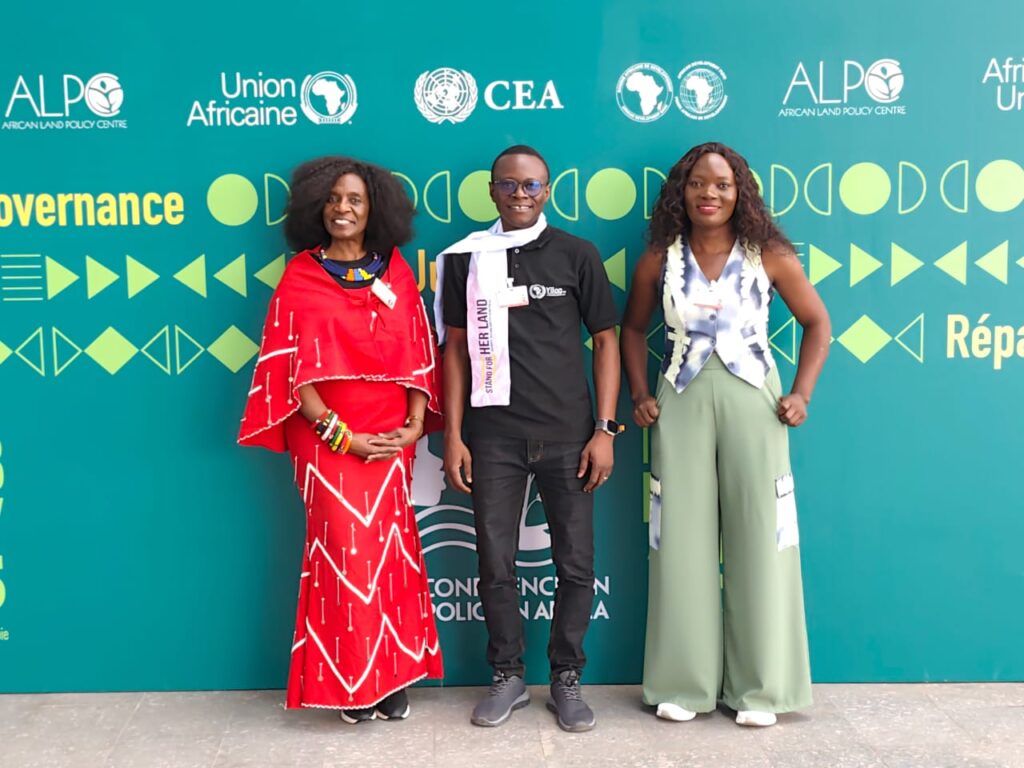
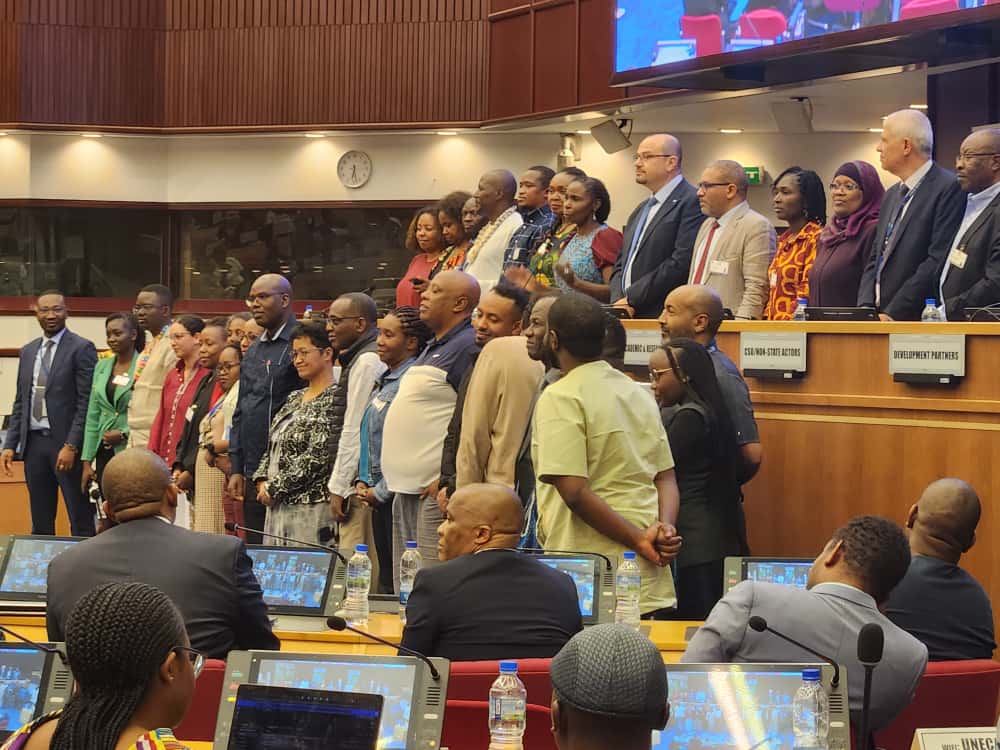
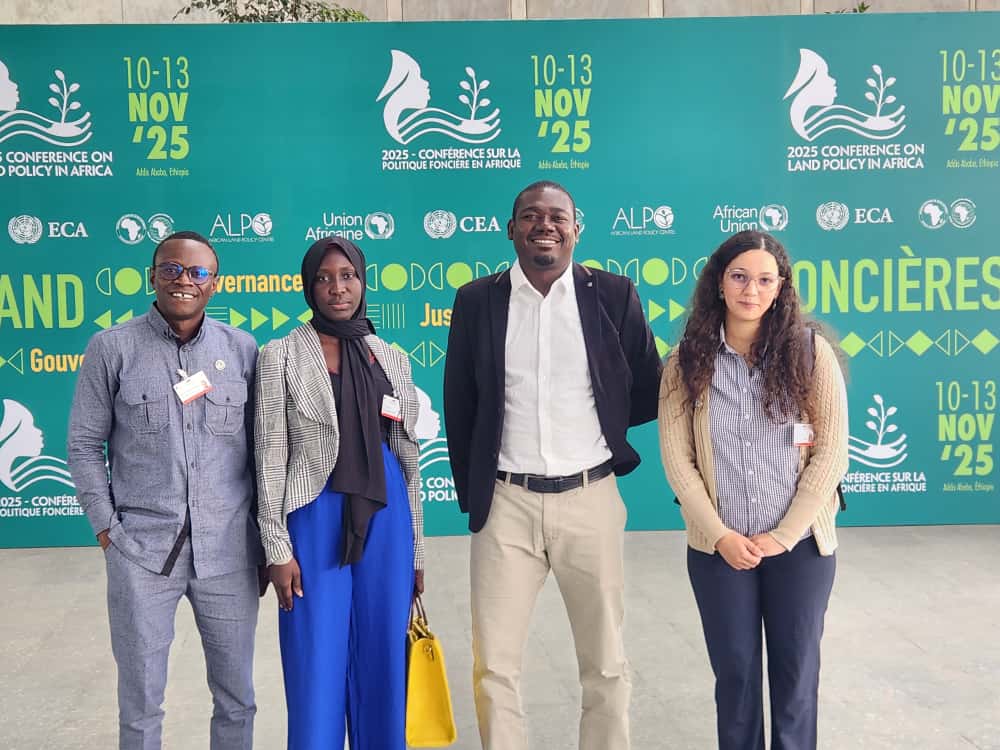
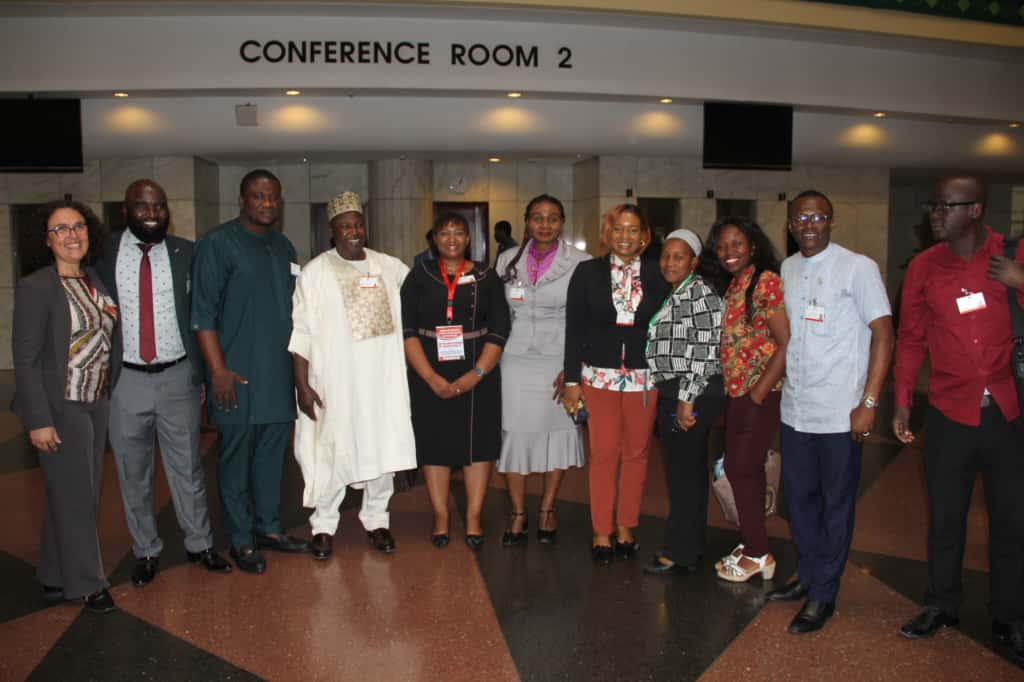
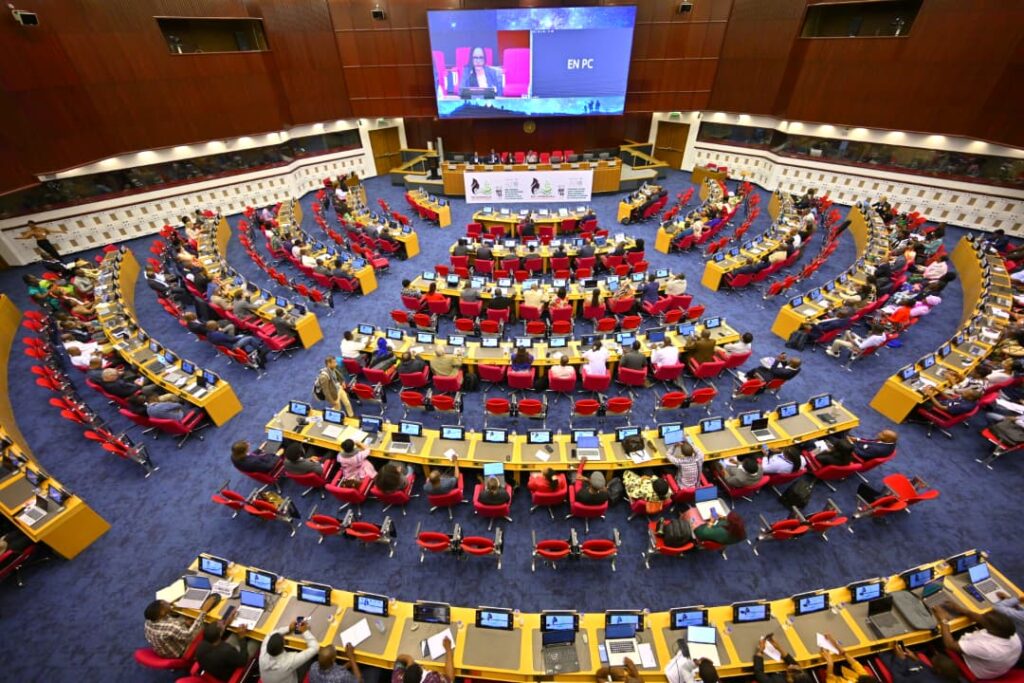
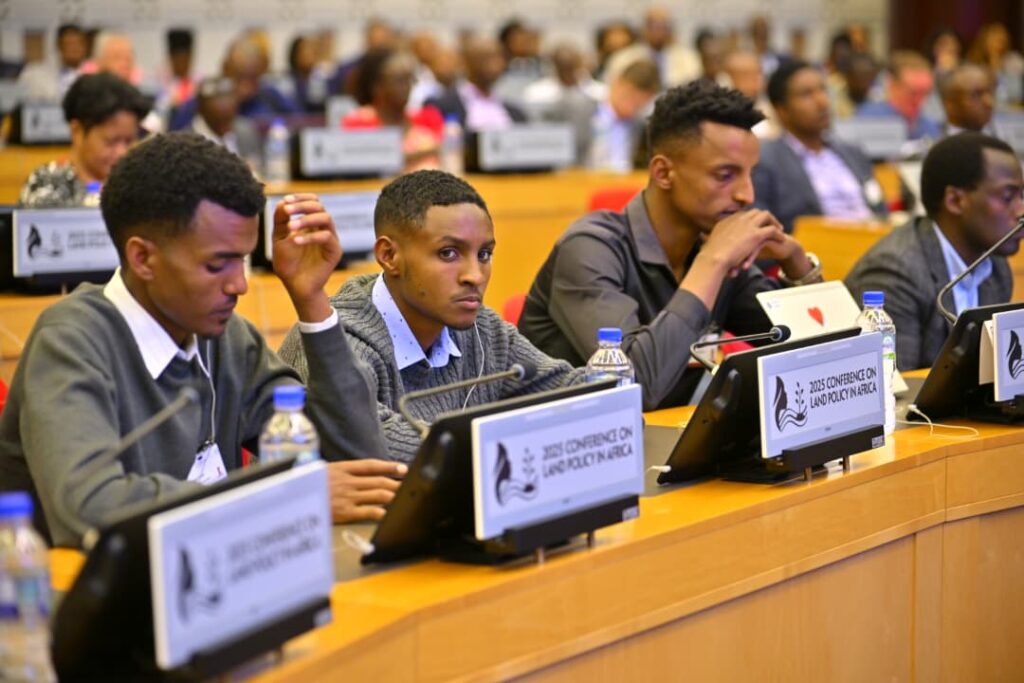
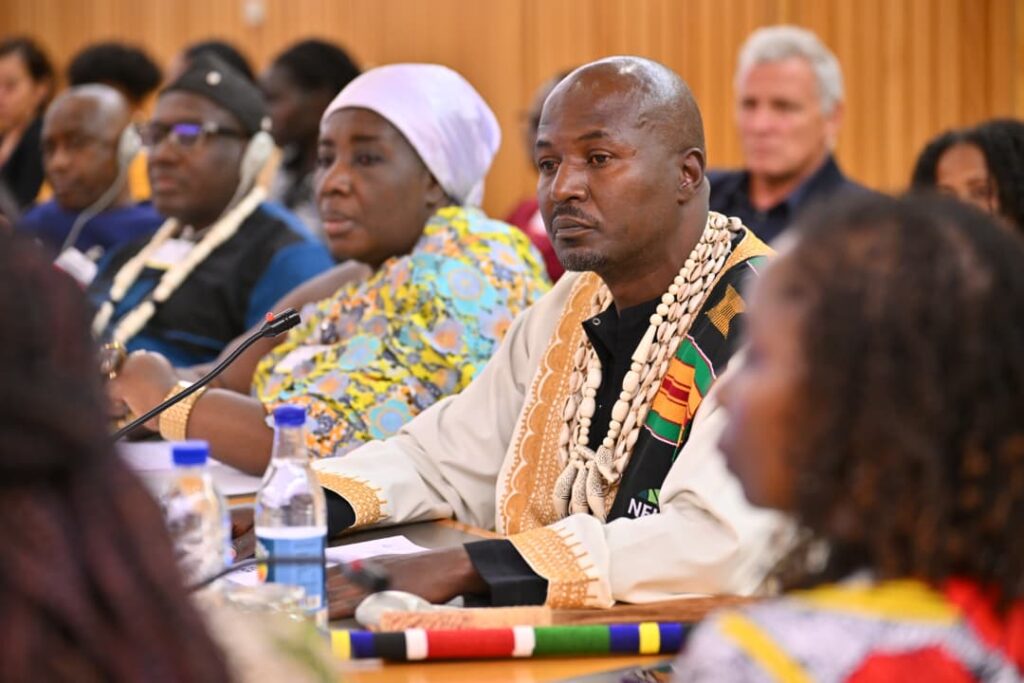
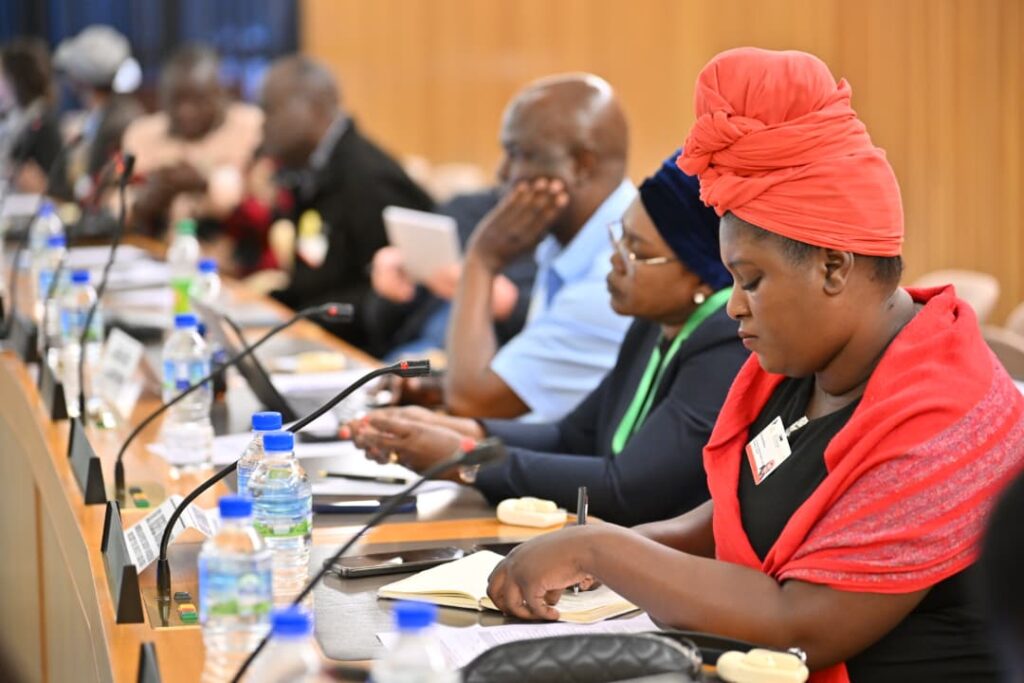
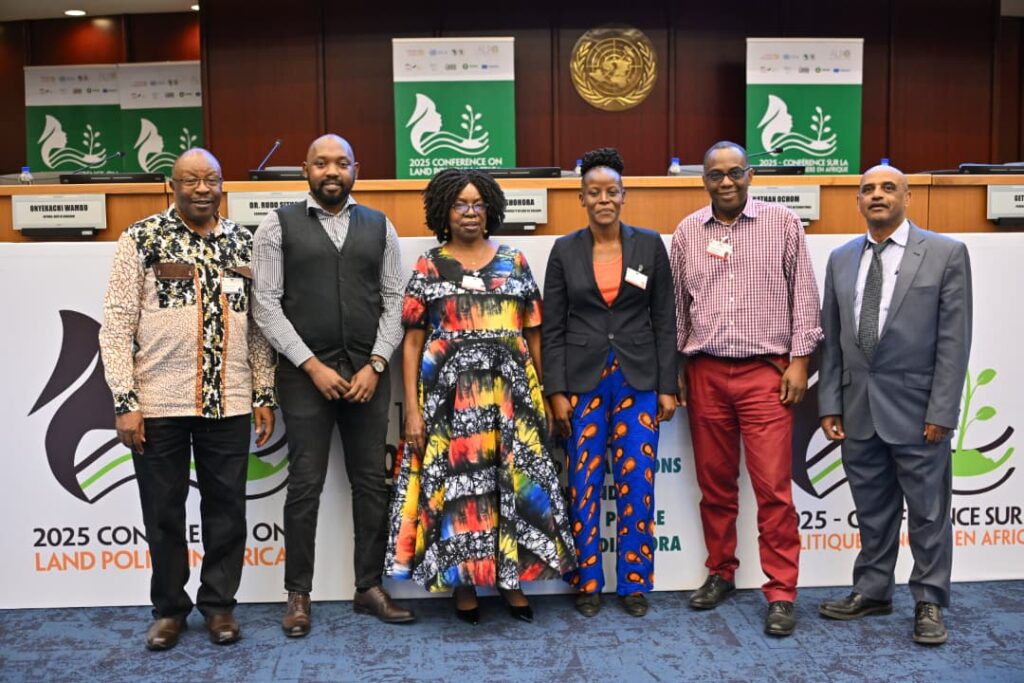
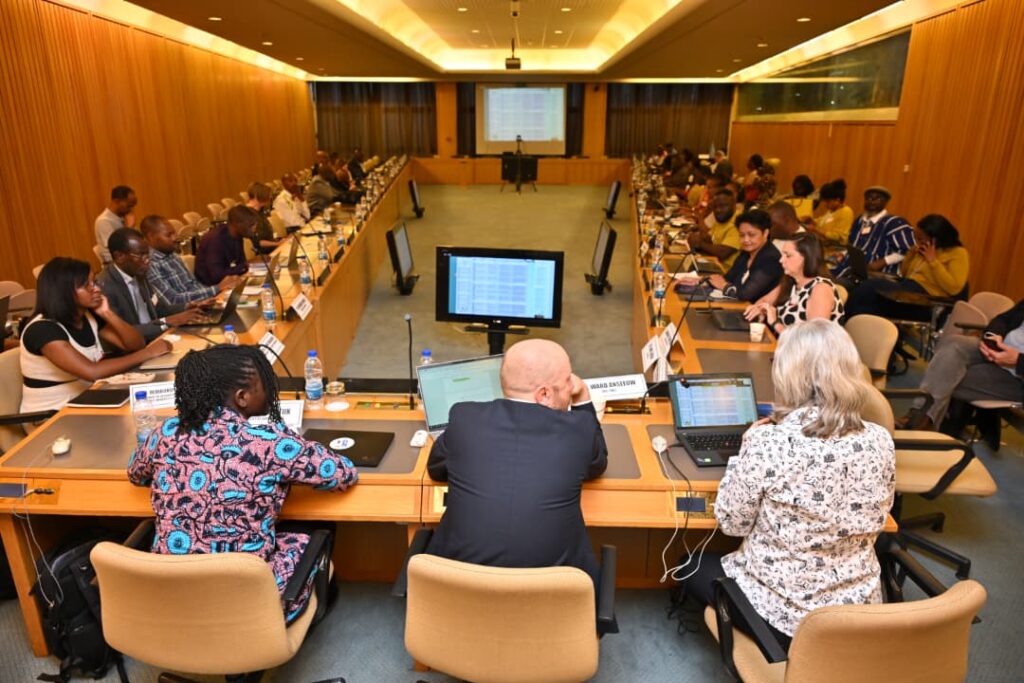
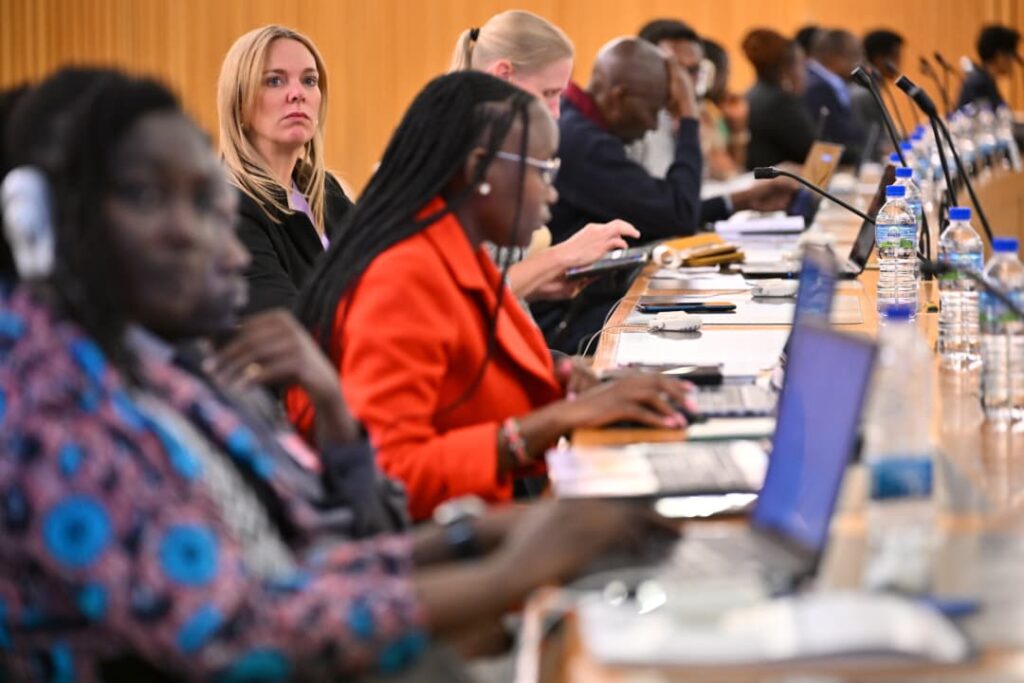
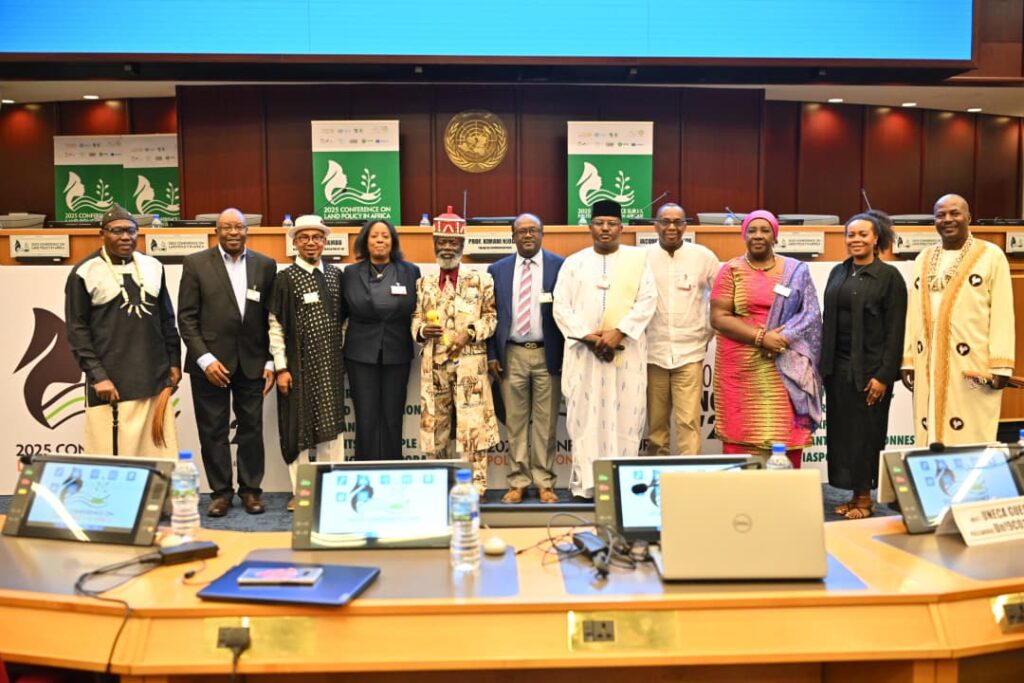
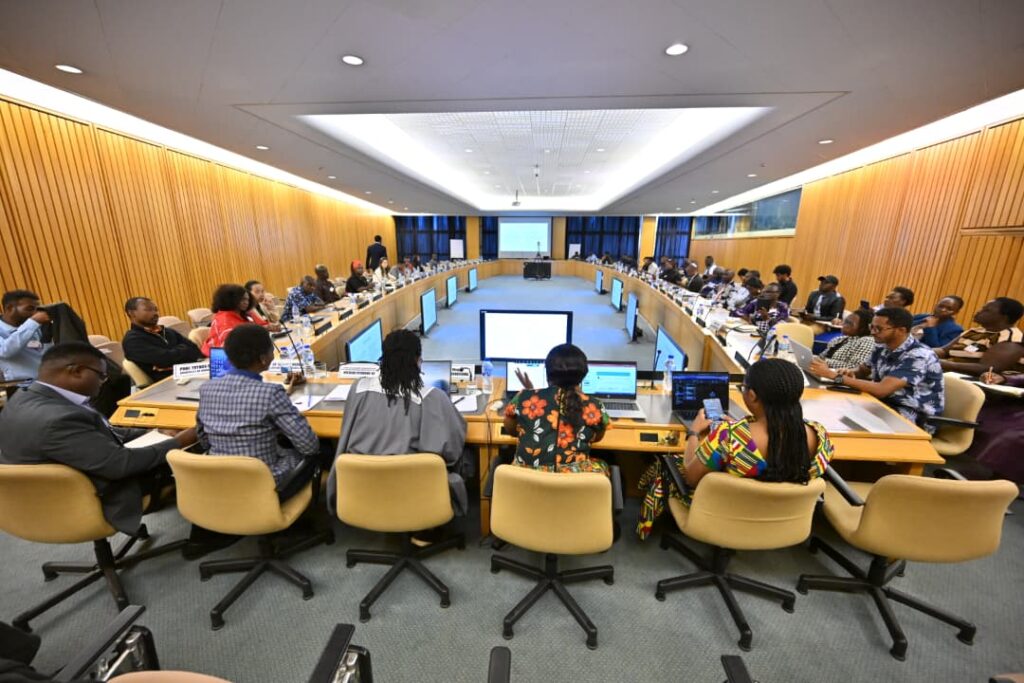
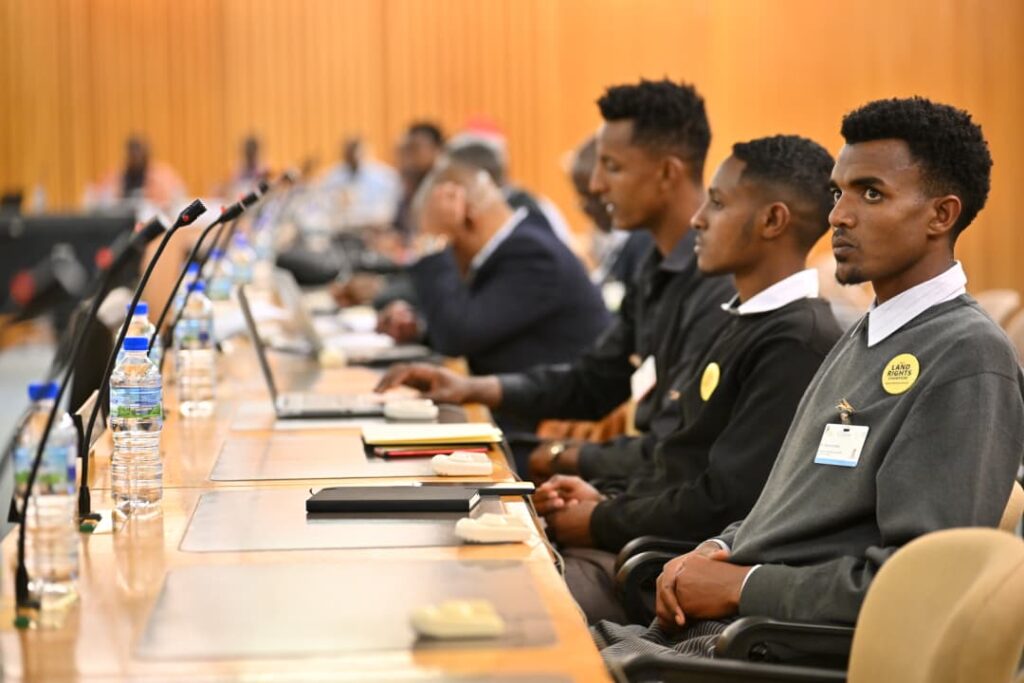
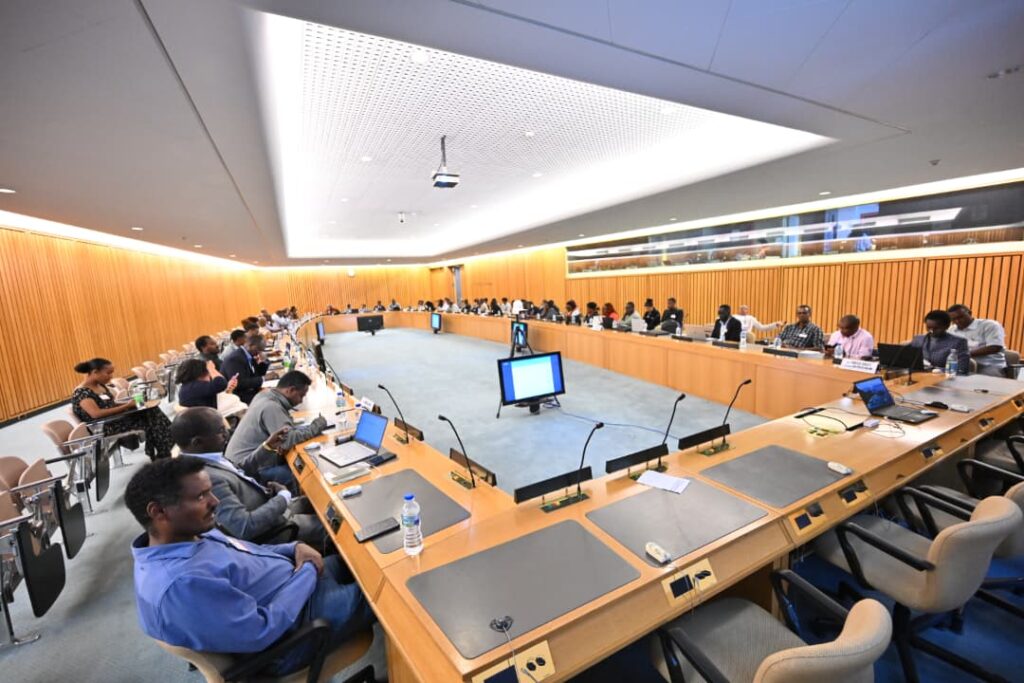
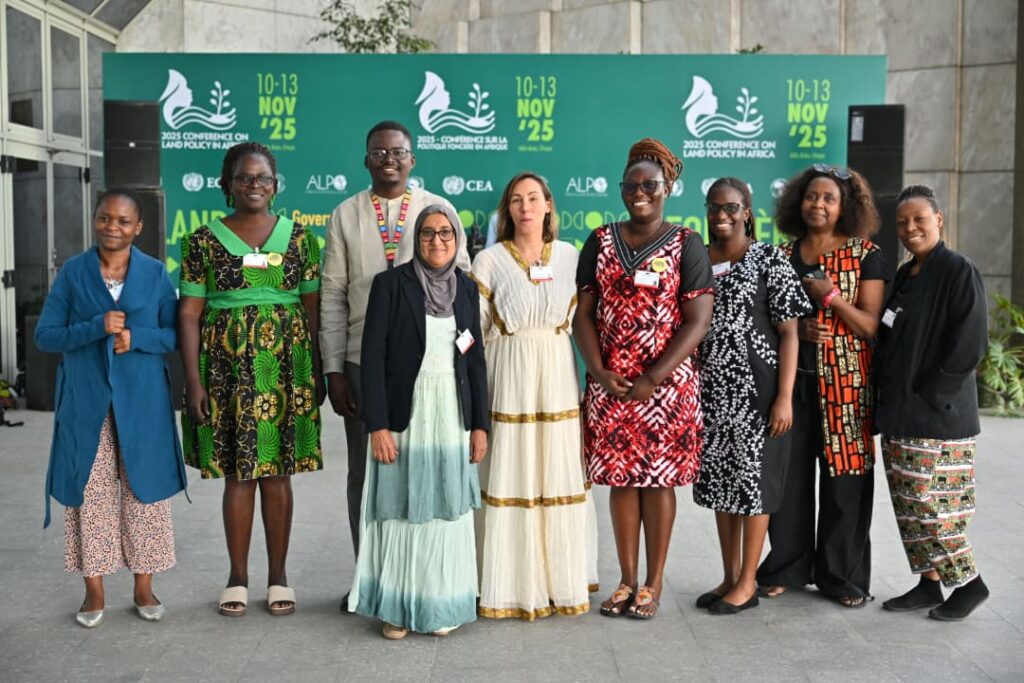
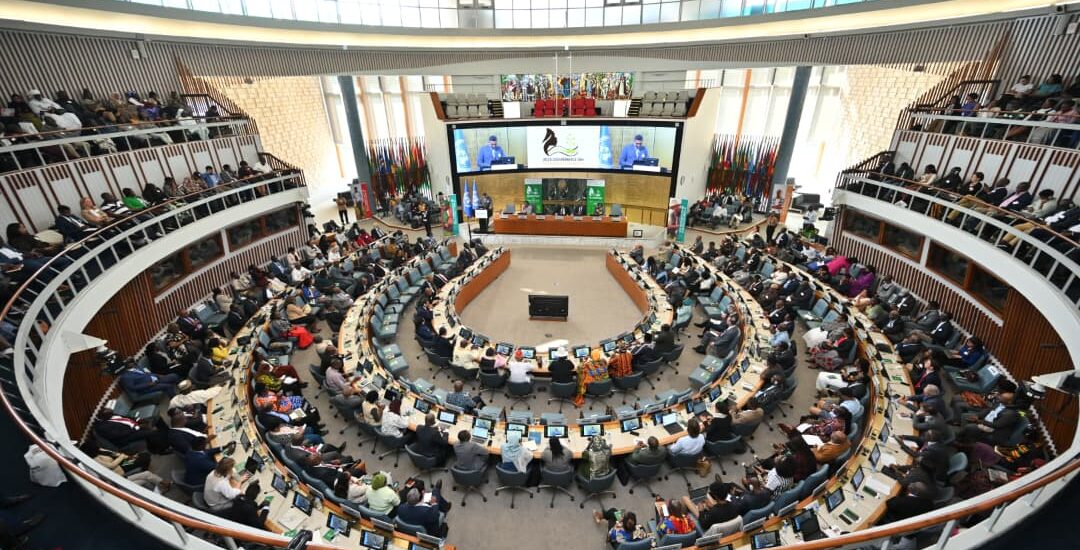
From 10 to 13 November 2025, the United Nations Conference Center (UNCC) in Addis Ababa hosted the 2025 Conference on Land Policy in Africa (CLPA), bringing together policymakers, researchers, civil society leaders, traditional authorities, youth movements, women’s groups, and development partners.
Held under the theme:
“Land Governance, Justice, and Reparations for Africans and Descendants of People of the African Diaspora,”
CLPA 2025 provided a critical platform to address historical land injustices, rethink governance systems, and propose collaborative solutions for a fairer, more resilient Africa.
1. A Continental Gathering for Land Justice
Jointly organized by the African Union Commission (AUC), the UN Economic Commission for Africa (UNECA), and the African Development Bank (AfDB), the CLPA gathered diverse stakeholders to explore political, social, climatic, technological, and historical dimensions of land governance.
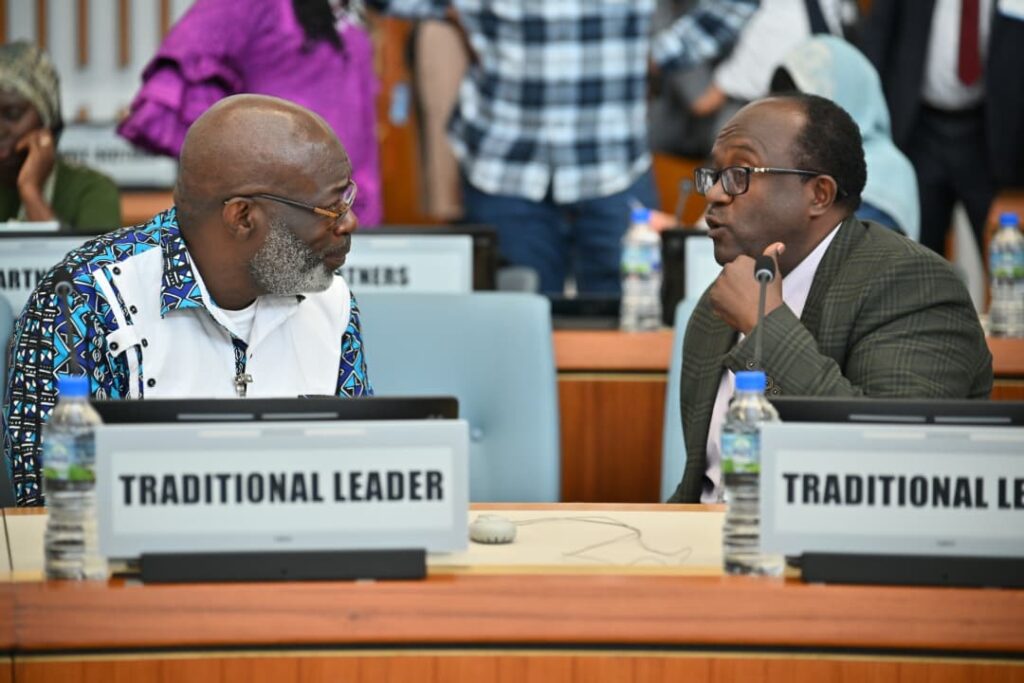
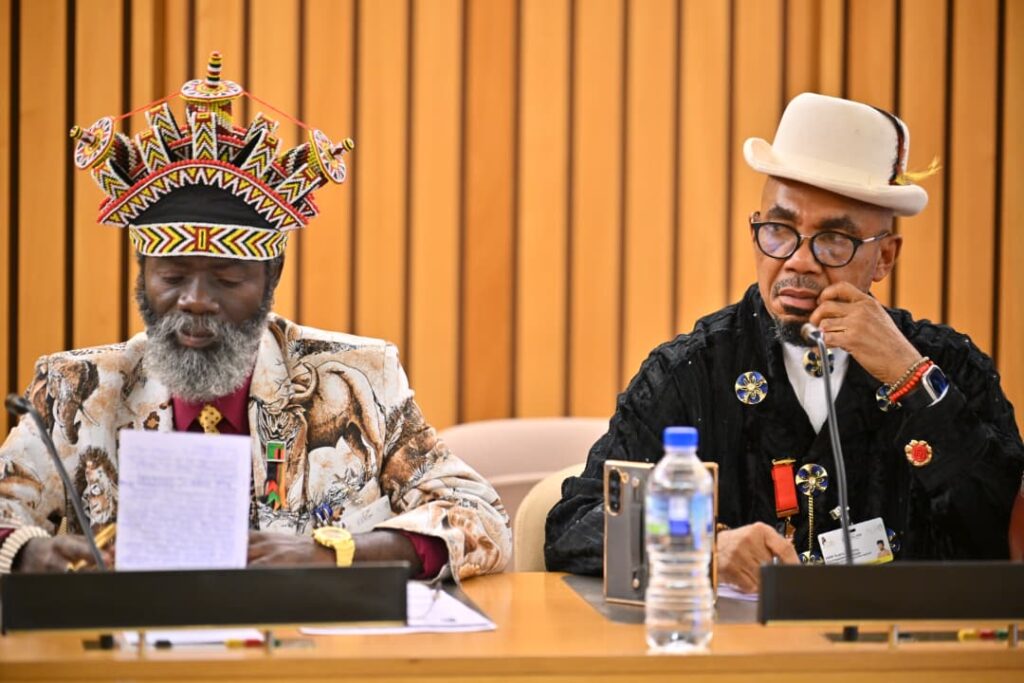
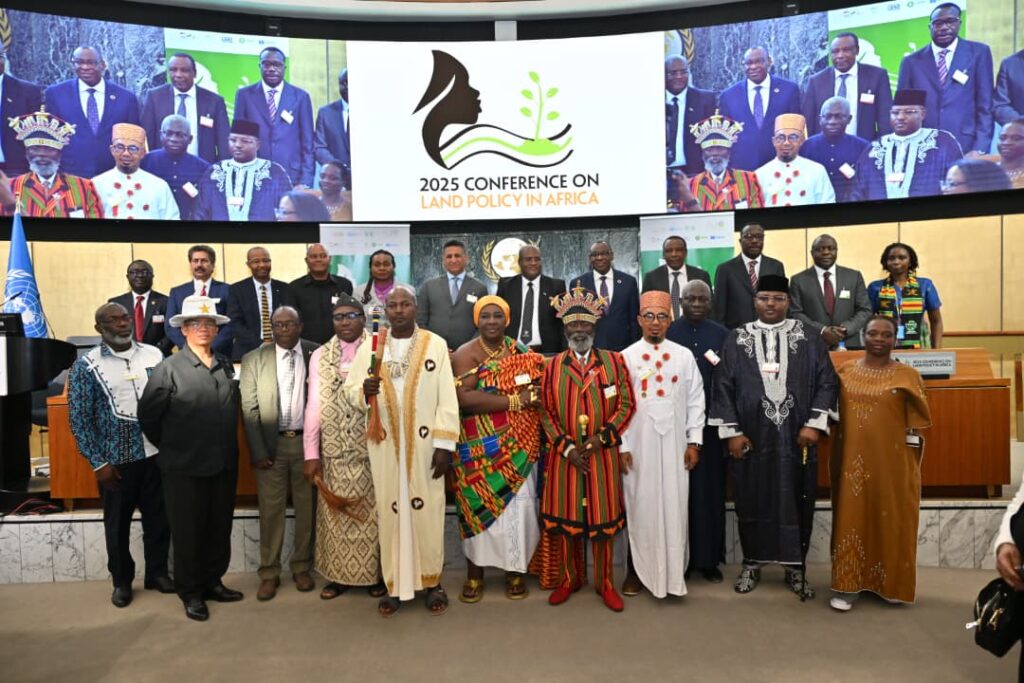
Ministers, scholars, traditional rulers, youth and women leaders, development practitioners, AI experts, and diaspora representatives contributed to shaping a shared vision for Africa’s land future.
2. Understanding the 2025 Theme: Reparations, Identity, and Governance
This year’s theme acknowledged that land governance cannot be divorced from history.
CLPA 2025 examined:
- colonial land dispossession,
- forced displacement,
- customary vs statutory legal tensions,
- climate injustice linked to historical marginalization,
- diaspora rights and reconnection to ancestral lands,
- and pathways for restitution and reparations.
Participants explored what equitable redress means today and how policies should evolve to repair generational damage.
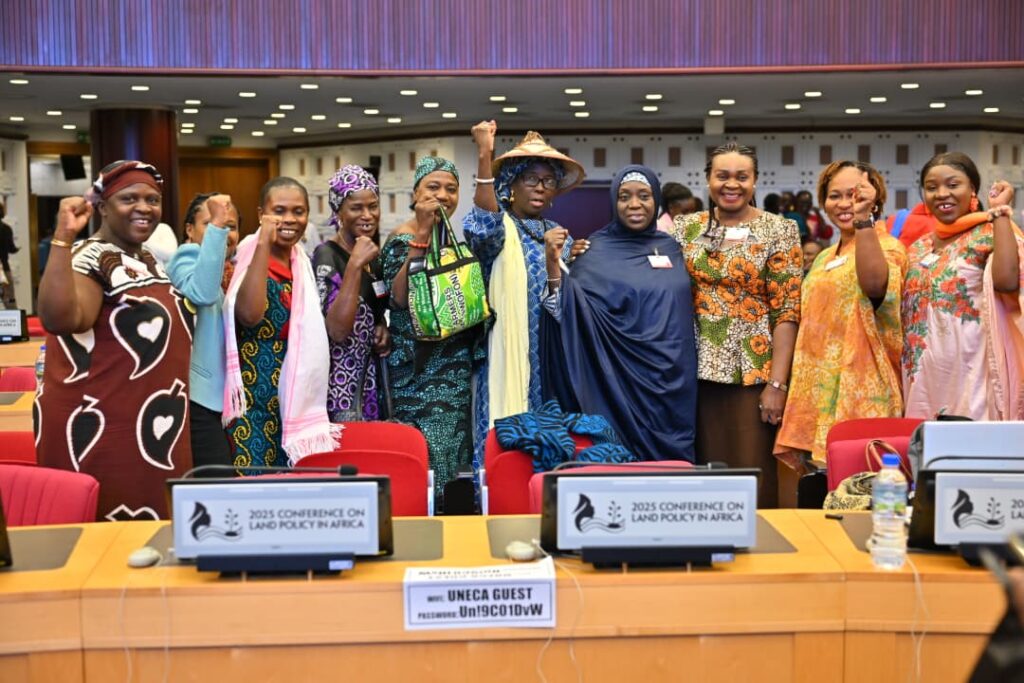
Women at the Frontline of Land Justice
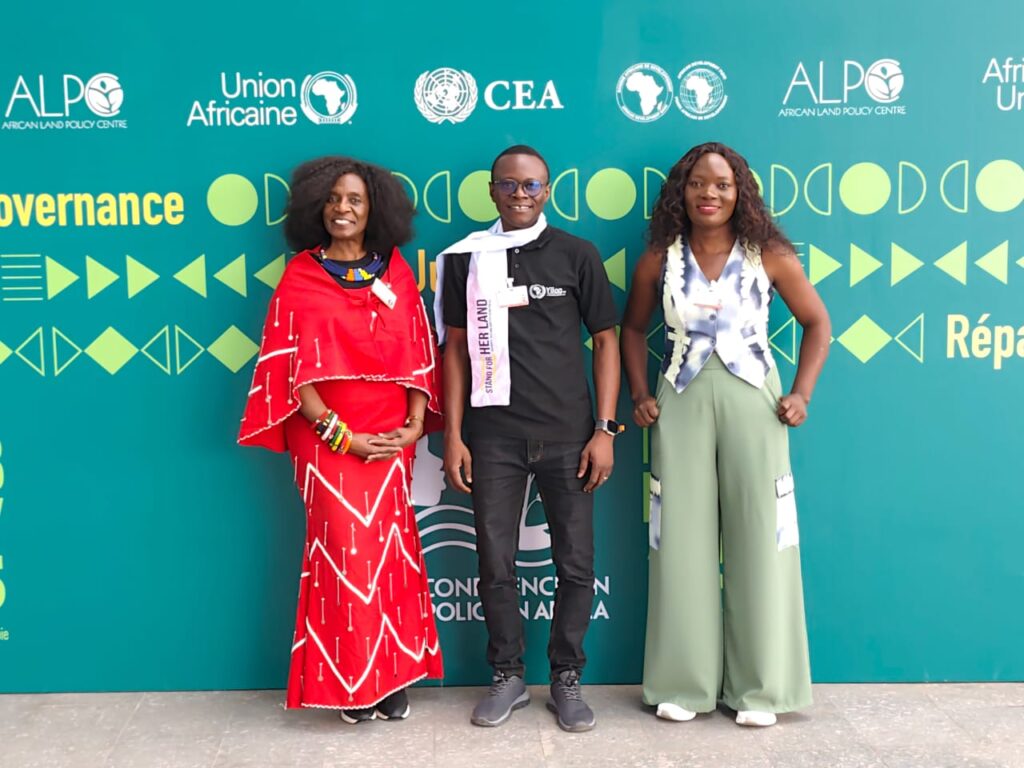
Gender inequality remains one of the most persistent barriers in land governance.
CLPA 2025 emphasized:
- the need for gender-sensitive legal reforms
- eliminating discriminatory customary practices
- empowering women farmers and land entrepreneurs
- integrating women in local land committees
- producing gender-disaggregated land data
Women leaders and experts shared stories of resilience, innovation, and community transformation.
3. The Participation of YILAA: Youth Leadership at the Center of CLPA 2025
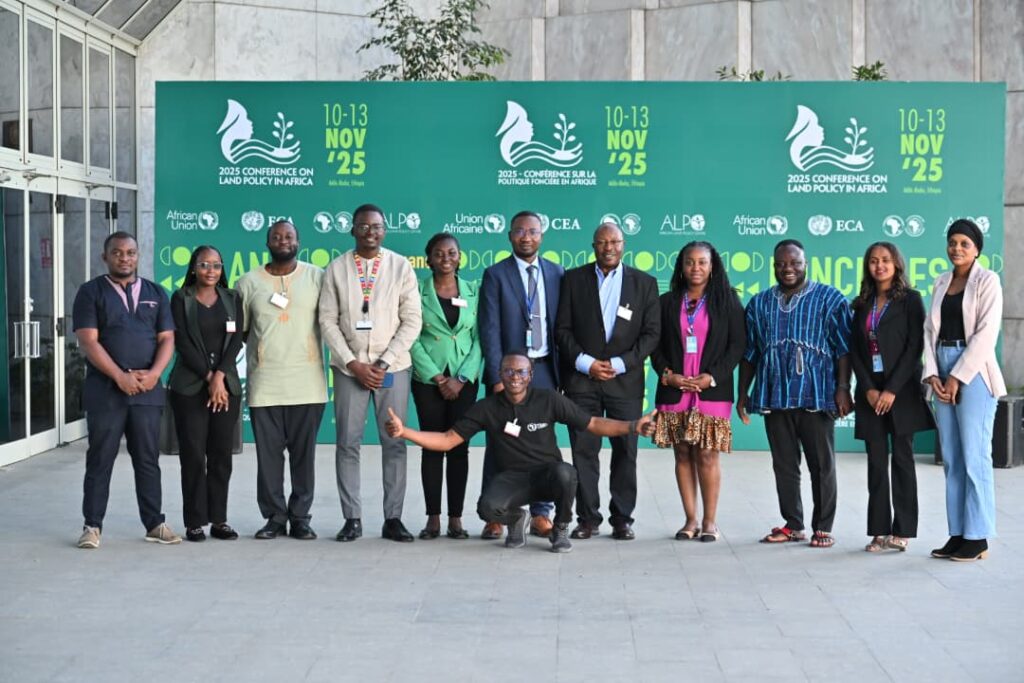
A major highlight of the conference was the active and strategic participation of YILAA (Youth Initiative for Land in Africa).
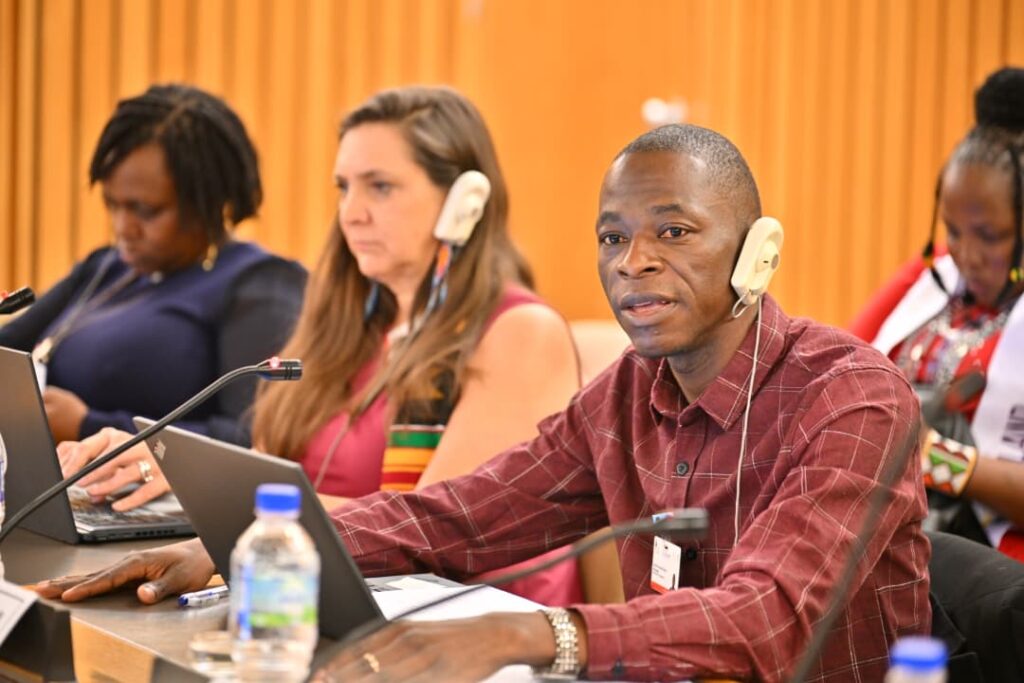
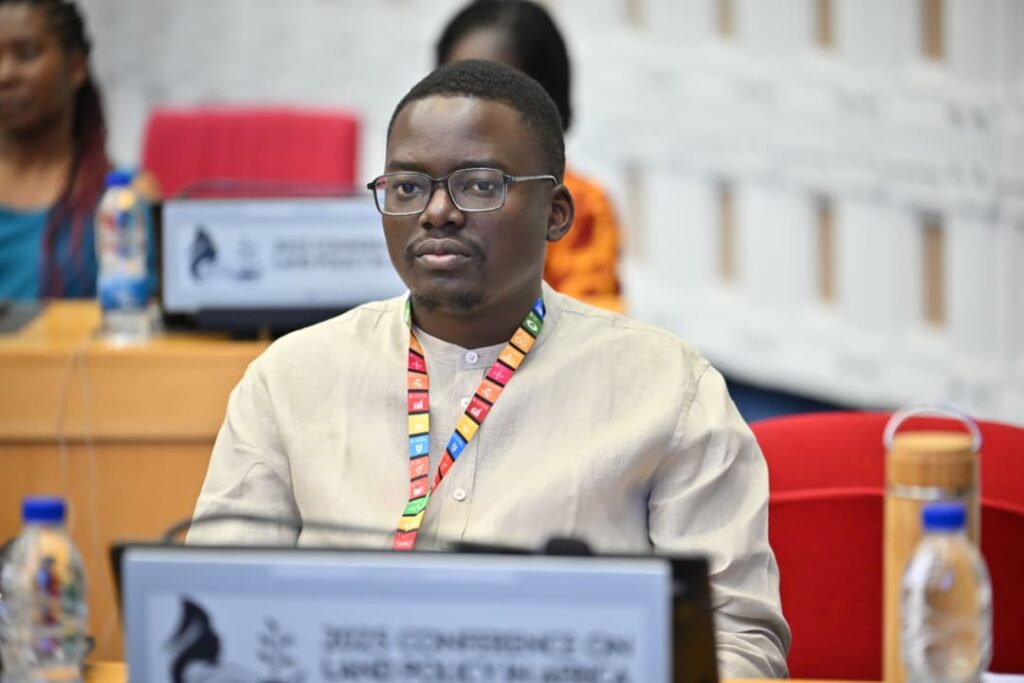
A delegation led by the Executive Director, Mr. Innocent Antoine Houedji, took part in multiple sessions, bringing a youth-centered and justice-driven perspective to continental conversations.
✔ YILAA’s vision throughout CLPA 2025 was clear:
Africa cannot achieve land justice or climate resilience without the leadership of its youth.
4. YILAA’s Executive Director Delivers the Keynote: Youth as Drivers of Land and Climate Justice
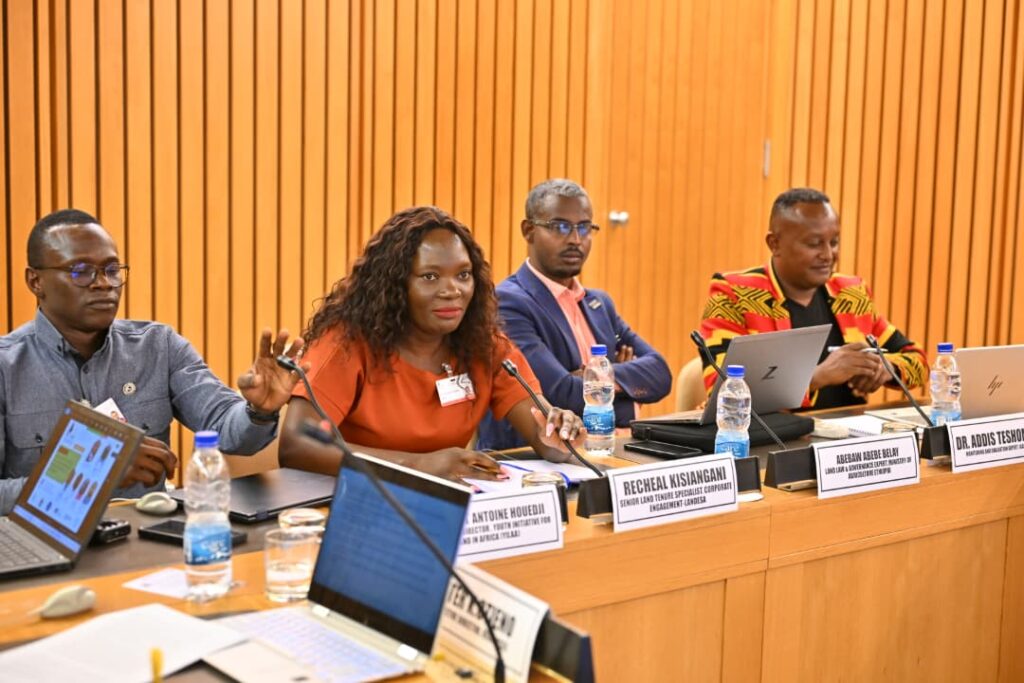
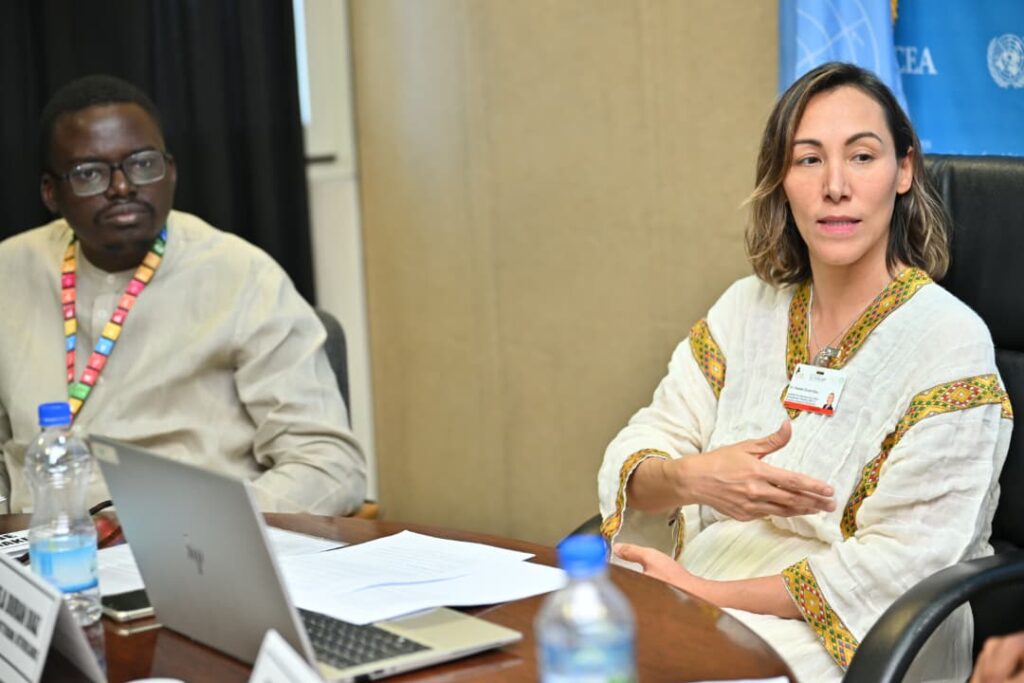
During the side event “Youth at the Forefront of Land Justice and Climate Resilience: Voices for a Just Future,” Mr. Innocent Antoine Houedji served as the Keynote Speaker, delivering a compelling address that resonated across the conference.
Key messages from the keynote included:
- Youth are not passive beneficiaries but active architects of land governance.
- Land justice is inseparable from climate justice.
- Youth must have institutional not symbolic representation in land governance bodies.
- Community resilience and equitable land reforms require youth leadership.
- Investments in digital skills, mapping, conflict mediation, and youth-led research are essential.
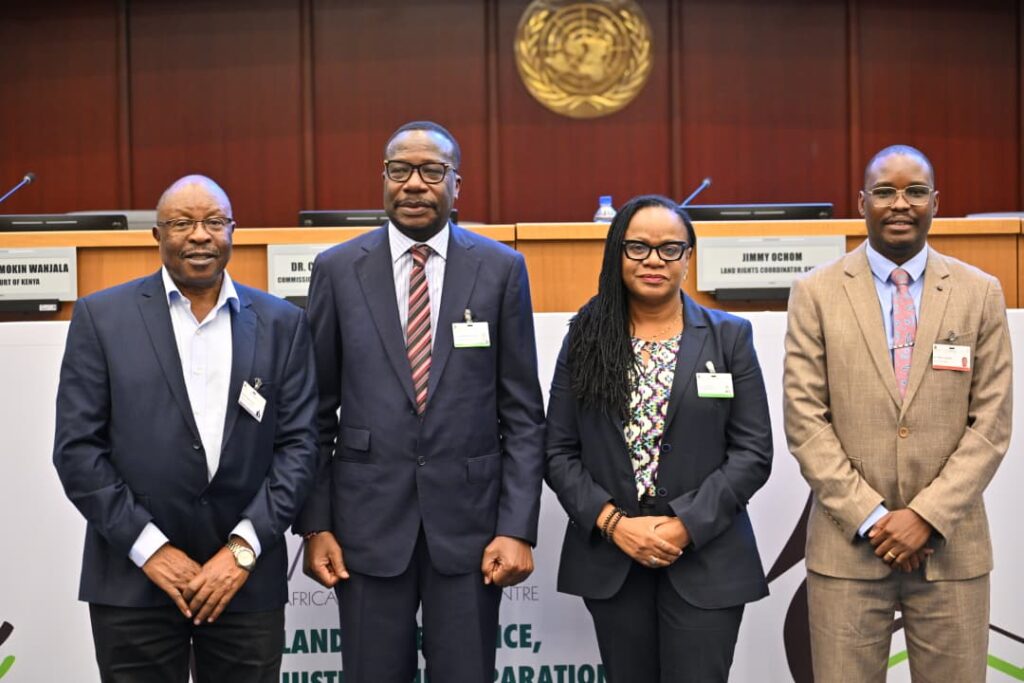
His intervention set the tone for a vibrant panel featuring experts from IGAD, RECONCILE, Landesa, and the Ministry of Agriculture of Ethiopia.
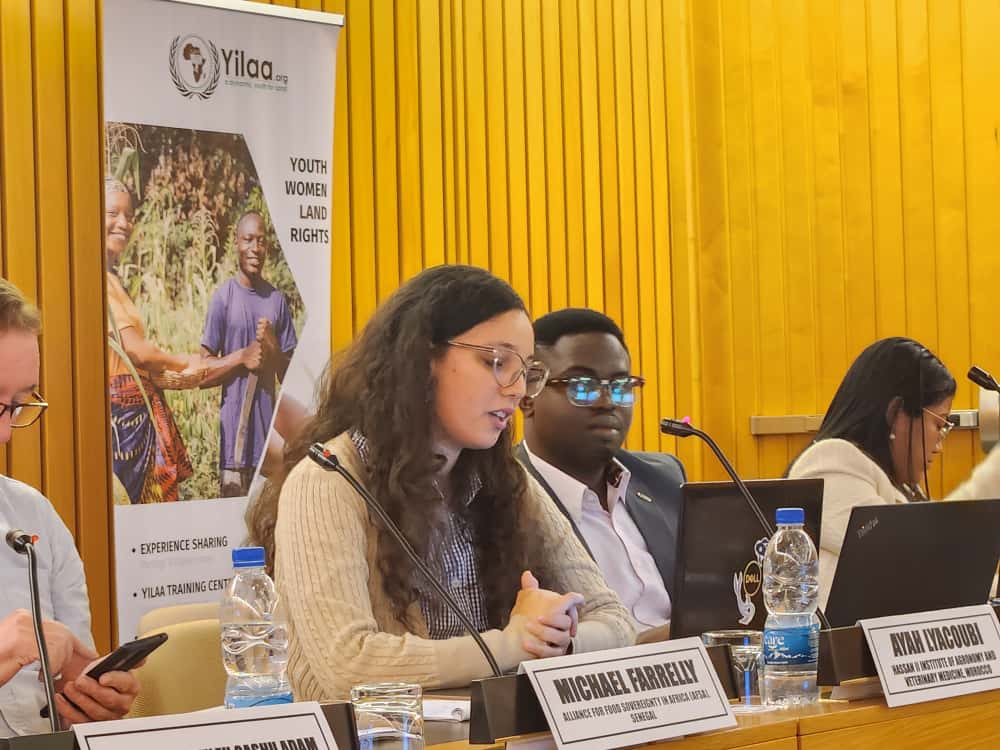
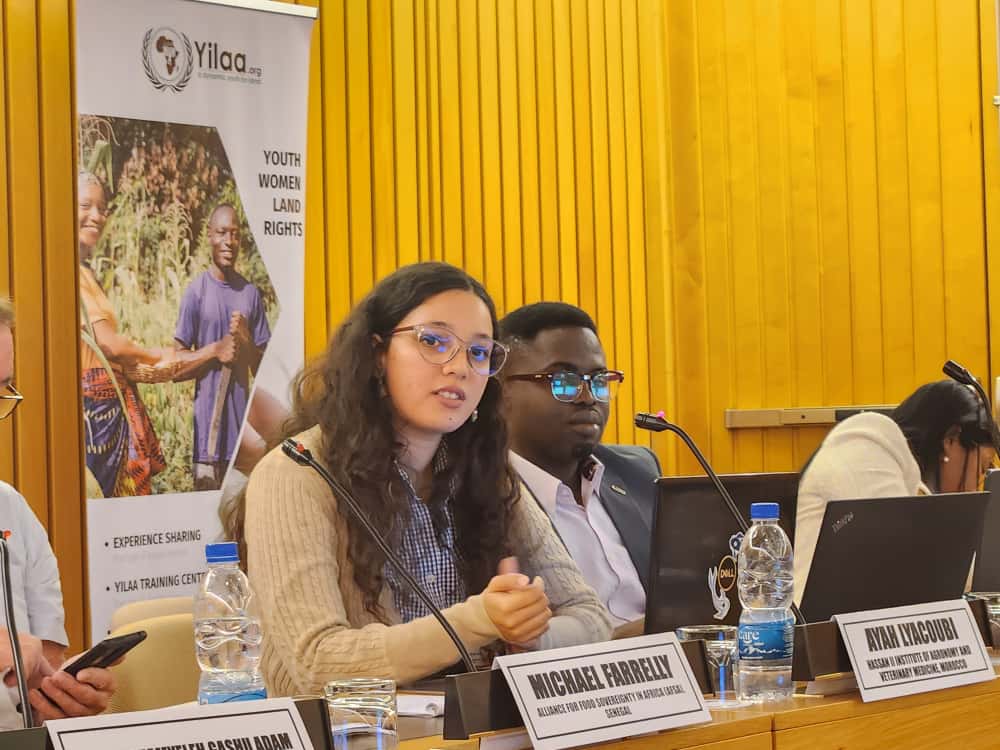
5. YILAA Leads Discussions on Digital Innovation: Ayah Lyacoubi Chairs the AI Technical Session
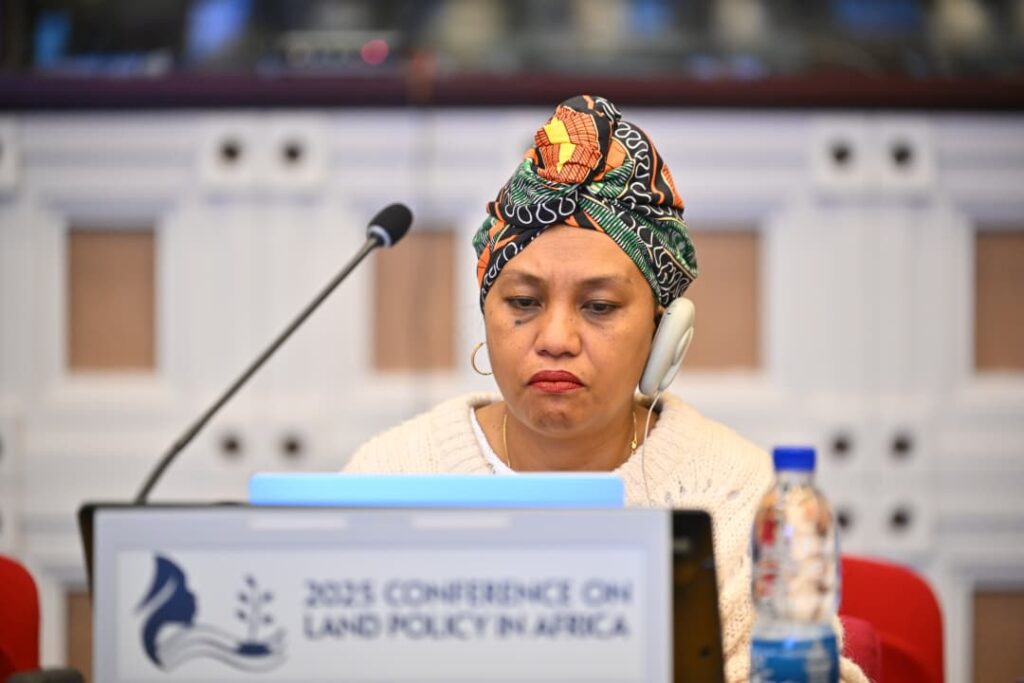
YILAA also demonstrated continental leadership in the field of ethical digital innovation through the contribution of Ayah Lyacoubi, YILAA Morocco Focal Point.
She chaired and presented at the technical session:
“Artificial Intelligence for a Climate-Just and Resilient Africa: A Review of Colonial Legacies, Climate Injustice, and AI-Driven Reparations in Africa.”
Her session highlighted:
AI’s potential to strengthen land governance:
- risk prediction,
- satellite-based land monitoring,
- detection of land grabbing,
- transparency and accountability,
- climate adaptation solutions.
But also the risks:
- algorithmic bias against African communities,
- data colonialism by foreign entities,
- exclusion of local populations,
- high energy demands of AI systems.
Ayah also introduced the concept of AI-driven reparations, exploring how technology can:
- reconstruct historical land injustices,
- empower communities through data sovereignty,
- support fair restitution and dispute resolution.
Her intervention strengthened YILAA’s visibility as a pioneer in ethical, youth-led digital transformation.
6. YILAA’s Continental Advocacy: Messages Echoed Across CLPA 2025
Throughout the conference, YILAA advanced key priorities for youth inclusion extracted from the Call to Action on Youth and Land:
To Governments
- Secure and equitable land access for youth and women.
- Integrate youth into decision-making institutions: ADR, GRM, mapping, boundary demarcation.
- Reform discriminatory land laws and inheritance rules.
To Traditional Authorities
- Reform customary norms to ensure fairness.
- Create youth seats in traditional governance structures.
To Development Partners
- Increase funding and visibility for youth-led land initiatives.
To Academia
- Produce research and land data centered on African youth.
- Offer curricula in land governance and digital tools.
To Civil Society
- Strengthen youth movements and legal support mechanisms.
7. Broader Highlights of CLPA 2025
Beyond YILAA’s participation, the conference featured major thematic discussions including:
✔ Reparations and land restitution
✔ Climate resilience and environmental justice
✔ Gender equality and land rights
✔ Diaspora engagement in land and heritage
✔ The modernization of land administration systems
The CLPA also emphasized the importance of harmonizing statutory and customary land systems and fostering community-driven governance.
8. Way Forward: A Renewed Vision for Africa’s Land Future
CLPA 2025 concluded with a strong commitment to:
- building inclusive and just land governance systems;
- supporting youth- and women-led land reforms;
- strengthening climate resilience through sustainable land use;
- leveraging AI and geospatial technologies responsibly;
- promoting historical justice and reparations;
- improving policy coherence across the continent.
Conclusion: Youth, Justice, and Innovation Will Shape the Africa We Want
By combining high-level political dialogue with youth-led innovation and community-grounded perspectives, CLPA 2025 reaffirmed a continental truth:
There can be no land justice in Africa without youth leadership and ethical innovation.
Through its dynamic delegation, powerful keynote, and pioneering AI session, YILAA established itself as a central actor in building a just, resilient, and future-ready African land governance system.
Read more here and from the unca platfome